

Most dog owners get the basics right food, water, a walk around the block. What trips them up is everything else: the 3 a.m. barking, the couch destroyed in under an hour, the senior dog who suddenly can’t make it through the night. Good dog care isn’t complicated, but it does require knowing what your dog actually needs at each stage of life not just what’s easiest. This guide covers all of it, from the 3-week socialization window that shapes your puppy’s entire future, to pain management options for a dog with arthritis at age ten.
What Does Dog Care Include?
Keeping your dog healthy, happy, and well-adjusted requires more than fresh water and daily meals. Dog care spans physical health, behavioral training, mental enrichment, emergency preparedness, and age-appropriate adjustments each one essential to your dog’s quality of life. Whether you’re raising a puppy, managing an energetic adult, or supporting an aging companion, understanding the full scope of dog care helps you prevent problems before they start.
This guide breaks down every major area of dog care with actionable steps, cost-effective alternatives, and science-backed strategies used by veterinarians and certified trainers. You’ll find problem-solving solutions competitors skip entirely, from separation anxiety protocols to enrichment games that reduce destructive behavior.
The Core Pillars of Responsible Dog Ownership
Dog care rests on five interconnected pillars: veterinary health, nutrition, training, exercise, and mental stimulation. Skip any one and the others suffer poor nutrition limits exercise capacity; zero enrichment breeds behavioral problems that training can’t fix alone. Most owners handle feeding and walking but miss the behavioral and mental components that prevent the biggest problems. A one-year-old retriever needs 60–90 minutes of exercise daily plus active mental work. That same dog at age eight needs less exercise but more monitoring for arthritis, dental disease, and cognitive decline.
Puppy Care: Building Foundations (0–12 Months)
The first year of your dog’s life determines behavioral patterns and stress responses for decades. Puppies learn fastest between 3 and 14 weeks of age the critical socialization window when their brains absorb experiences without fear. Miss this window, and your puppy grows into an adult fearful of new people, places, or sounds, which triggers reactivity and aggression later.
The Critical Socialization Window (3–14 Weeks)
During weeks 3–14, expose your puppy to:
- At least 100 different people (different ages, appearances, voices including children, elderly people, people in wheelchairs or hats)
- Varied environments (parks, sidewalks, car rides, stairs, tile floors, grass, gravel)
- Different animals (vaccinated dogs, cats, potentially horses or livestock depending on your area)
- Novel sounds (vacuum cleaners, thunder, fireworks at safe distance, traffic)
Positive exposure doesn’t mean forced interaction. If your puppy hides, that’s information don’t force them to engage. Instead, let them observe at a distance while you reward calm behavior with treats.
After week 14, puppy fear responses begin a developmental phase where unfamiliar things trigger wariness rather than curiosity. It’s not too late to socialize after 14 weeks, but it takes longer and requires more patience.
Vaccination timing complicates socialization. Most puppies receive first vaccines at 6–8 weeks, with boosters every 3–4 weeks until 16 weeks. During this period, your puppy isn’t fully protected, so avoid dog parks and high-traffic public areas where unvaccinated or unknown-status dogs congregate. Instead, socialize with vaccinated dogs from known households, puppy socialization classes (held indoors and designed for partially vaccinated puppies), and low-risk environments like quiet parks.
Puppy Training Basics with Positive Reinforcement
Positive reinforcement training rewarding the behavior you want rather than punishing mistakes works faster than aversive methods and doesn’t create fear or anxiety. Here’s why: your puppy’s brain releases dopamine when they earn rewards, making that behavior memorable. Punishment creates stress hormones that actually impair learning.
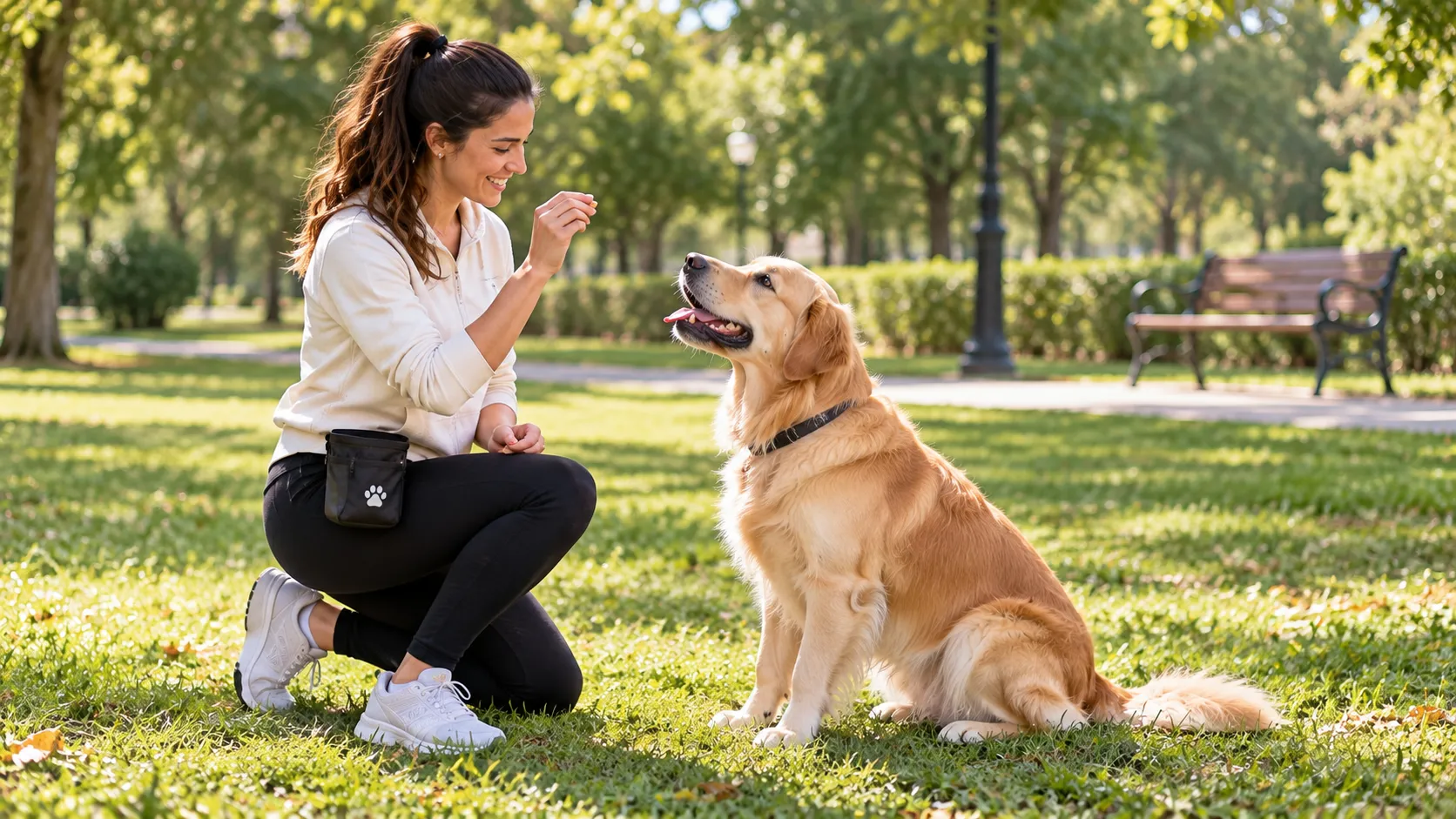
Start with the four essential commands:
Sit. Hold a treat close to your puppy’s nose, then slowly move it upward and slightly backward. As their nose follows the treat, their rear naturally lowers. The instant their bottom touches the ground, say “sit,” give the treat, and praise enthusiastically. Practice 5–10 repetitions, three times daily.
Come. Crouch down, show a treat, and call your puppy’s name followed by “come” in an excited, high-pitched voice. When they reach you, treat immediately. Never call your puppy to come and then do something they dislike (like clip nails) they’ll learn that coming has negative consequences. Always reward coming.
Stay. Once your puppy knows sit, ask for sit, then hold your palm forward and step back one step. If they stay in place for 3–5 seconds, treat. Gradually increase duration and distance over weeks.
Leave it. Hold a treat in your closed fist. When your puppy stops trying to get it and looks at your face instead, say “leave it” and reward with a different treat from your other hand. This teaches your puppy that ignoring something tempting results in a better outcome.
Training sessions should last 5–10 minutes for puppies; their attention spans are short. Three sessions daily (before meals, after exercise, before bedtime) build habits faster than one long session. Never use physical punishment. It damages your relationship and causes fear.
By 16 weeks, your puppy should reliably respond to sit, come, and their name in calm environments. By six months, these commands should work even with mild distractions (other dogs nearby, interesting smells, play opportunities). This foundation prevents the adolescent phase (6–18 months) from becoming a behavioral nightmare.
Adult Dog Care: Daily Maintenance (1–7 Years)
Your adult dog’s needs are stable but specific to their breed, size, and individual health. This is your window for consistent training, preventive health care, and relationship-building. Many behavior problems that appear in older dogs actually originated from neglect during the adult years.
Exercise Routines by Breed and Size
Exercise isn’t just about burning energy it builds muscle, strengthens joints, improves cardiovascular health, and reduces stress hormones. A dog without adequate exercise becomes destructive, anxious, or aggressive. The amount your dog needs depends on breeding and genetics, not just size.
High-energy working breeds (Border Collies, Australian Shepherds, Siberian Huskies, Jack Russell Terriers) need 90–120 minutes daily. These dogs were bred to work 8–10 hours a day herding or hunting. A 30-minute walk leaves them understimulated and frustrated.
Moderate-energy breeds (Labrador Retrievers, Golden Retrievers, Beagles, Cocker Spaniels) typically need 60–90 minutes, split into two sessions.
Low-energy breeds (Bulldogs, Basset Hounds, Shih Tzus, Cavalier King Charles Spaniels) may thrive on 30–45 minutes daily. Overexercising a Bulldog in heat can cause heatstroke or joint damage.
Beyond walking, vary activity types. Fetch builds explosive power. Swimming strengthens muscles without joint impact. Hiking over uneven terrain engages stabilizer muscles and mental focus. Tug-of-war or play wrestling with another dog provides social engagement and confidence-building.
If your dog shows reluctance to exercise (limping, excessive panting, reluctance to continue after short distances), don’t assume laziness contact your vet. Arthritis, heart disease, respiratory issues, or orthopedic problems may be limiting them.

Nutrition: Diet Types and Label Reading
Your dog’s diet directly affects coat quality, energy level, immune function, and longevity. Yet most owners choose based on price or marketing rather than ingredient quality or your dog’s specific needs.
Maintaining a healthy weight is also an important part of your dog’s overall nutrition and long-term health. You can use our Dog BMI Calculator to get a quick estimate of your dog’s body condition.
Commercial kibble (dry food) ranges from budget ($0.50/cup) to premium ($3+/cup). Cheaper kibbles rely on grain fillers (corn, wheat) because they’re inexpensive. Premium kibbles use higher meat content and digestible carbs. Check the ingredient list: the first three ingredients should be meat sources (chicken, beef, fish), not “chicken by-products” or corn.
Wet food (canned) contains 70–80% moisture, making portions larger but less nutrient-dense per bite. Dogs eating wet food exclusively may develop tartar buildup without dental chewing.
Raw diets (whole prey or ground meat, organs, bones) mimic what wild canines eat. Proponents report shinier coats and cleaner teeth. Risks include bacterial contamination (salmonella, E. coli) and nutritional imbalances if you’re not using a balanced recipe. If you choose raw, work with a veterinary nutritionist to ensure your dog receives adequate calcium, phosphorus, and all vitamins.
Fresh cooked diets (human-grade meat and vegetables, lightly cooked) sit between kibble and raw. Cost is higher ($3–8 per day for a large dog), but digestibility and safety are excellent.
AAFCO (Association of American Feed Control Officials) standards ensure a diet is “complete and balanced” for specific life stages. Look for AAFCO statements on packaging. Avoid brands making therapeutic claims (“cures arthritis,” “prevents cancer”) without FDA approval that’s marketing, not science.
For most dogs, a high-quality kibble (meat-based, grain-inclusive or grain-free depending on your dog’s preferences and sensitivities) plus fresh vegetables as treats provides complete nutrition affordably. Transition to a new diet gradually over 7–10 days, mixing increasing amounts of new food with old, to prevent digestive upset.
Training and Mental Stimulation
After puppyhood, training doesn’t stop it evolves. Adult dogs benefit from ongoing obedience work, but they also need cognitive enrichment: activities that make them think and solve problems.
Mental stimulation prevents behavioral problems. A bored dog invents their own entertainment: excessive barking, destructive chewing, fence-running, or aggression toward other dogs. Dogs with structured mental challenges develop confidence, focus, and calm behavior.
Rotate enrichment activities weekly:
- Puzzle toys filled with treats (Kong Wobblers, snuffle mats, hide-and-seek games with kibble hidden in blankets)
- Training games where your dog earns meals by performing commands or working through an obstacle course
- Scent work (hide treats around the yard and let your dog “hunt”; advanced: hide specific scents in boxes)
- Tug-of-war (contrary to myth, this doesn’t create aggression if your dog releases on command)
Dedicate 20–30 minutes daily to mental enrichment. A dog that’s mentally tired is calmer and happier than one that’s only physically tired.
Dog Health Fundamentals
Health isn’t just about treating illness it’s about prevention. Preventive dog care costs far less than emergency treatment.
Veterinary Care Schedule and Vaccinations
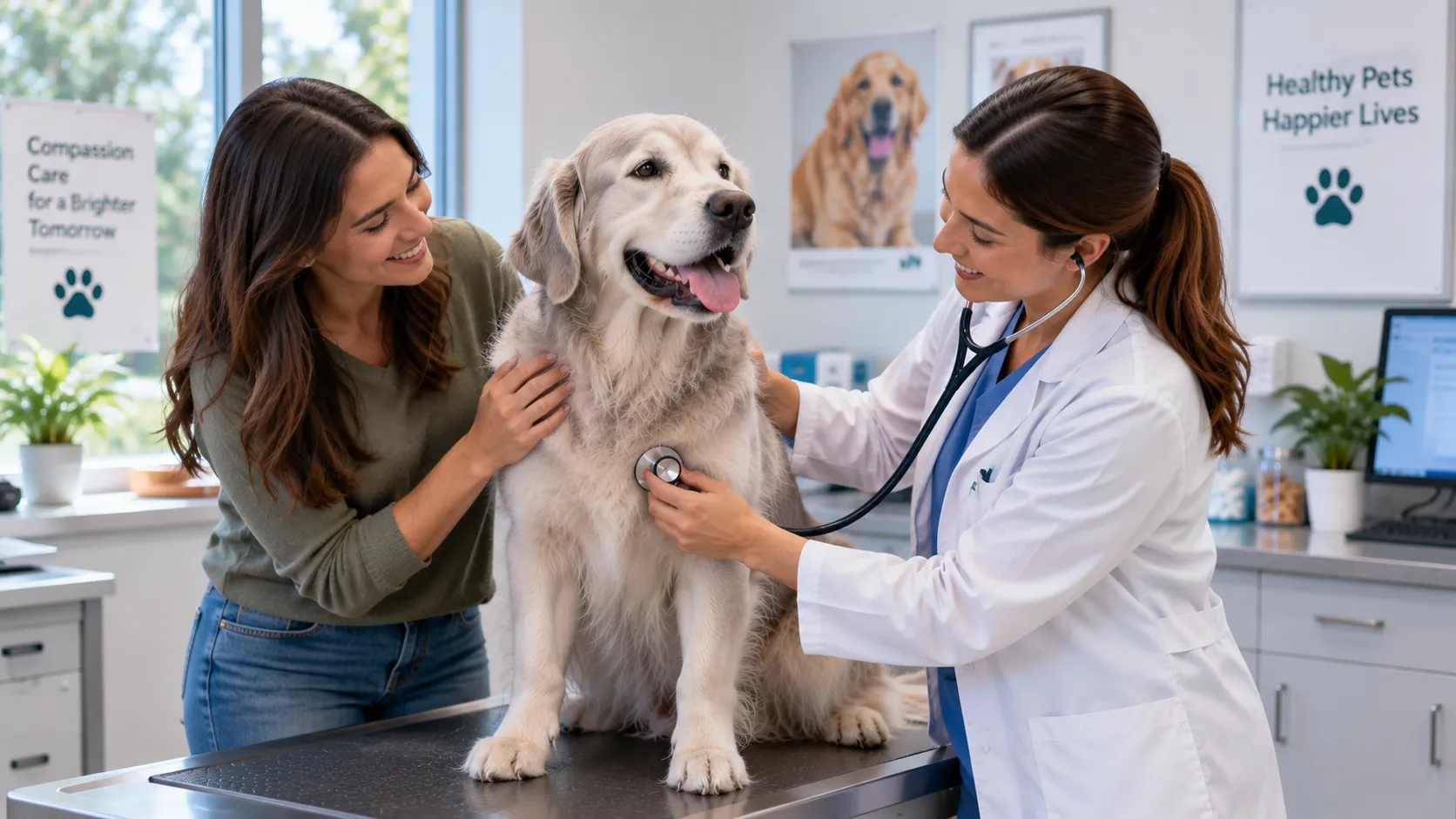
Adult dogs need a veterinary checkup annually; senior dogs (7+) need checkups every six months. During checkups, your vet assesses body condition, checks for lumps or abnormalities, listens to the heart and lungs, and discusses any behavioral or health changes you’ve noticed.
Core vaccines all dogs need:
- Canine distemper (combination vaccine, given at 6–8 weeks, 10–12 weeks, 14–16 weeks, then booster at one year, then every 3 years)
- Rabies (given at 12–16 weeks, booster at one year, then every 3 years, required by law in most U.S. states)
- Parvovirus (part of distemper combination; protects against a highly contagious, often fatal virus)
Non-core vaccines depend on your lifestyle and geography:
- Leptospirosis (if your dog has outdoor exposure, especially near water)
- Bordetella (kennel cough; needed if your dog frequents dog parks, grooming salons, or boarding facilities)
- Lyme disease (in tick-endemic regions like the Northeast)
Ask your vet which vaccines your dog truly needs rather than automatically giving everything. Over-vaccination can trigger immune reactions in some dogs.
Parasite Prevention: Fleas, Ticks, and Heartworms
Fleas cause more problems than just itching. Flea saliva triggers flea allergy dermatitis an immune overreaction causing severe itching, hair loss, and secondary skin infections. Additionally, fleas transmit tapeworms.
Prevention options:
- Prescription topicals (Advantage, Frontline, Bravecto): applied monthly or quarterly to the skin at the back of the neck; highly effective but can cause skin irritation in sensitive dogs
- Oral medications (Nexgard, Simparica, Capstar): given by mouth; convenient but more expensive ($15–30 per dose)
- Flea collars (Seresto): release vapor repelling fleas; last up to 8 months; good for dogs that resist topicals
- Shampoos and sprays: short-term relief; not reliable for prevention
Tick prevention is critical in endemic areas. A single tick can transmit Lyme disease, Rocky Mountain spotted fever, or ehrlichiosis all serious, sometimes fatal if untreated. Use the same products as flea prevention or dedicated tick treatments.
Heartworm disease is caused by parasitic worms living in the heart and lungs. Infected dogs develop exercise intolerance, coughing, and eventually heart failure. Prevention is far simpler and cheaper than treatment (which requires hospitalization, arsenic-based injections, and 6–8 weeks of strict rest).
Give heartworm prevention year-round or during mosquito season (depending on your region). Test your dog annually for heartworm before starting prevention giving prevention to an infected dog can cause severe reactions.
Dental Care and Brushing Techniques
Dental disease affects 80% of dogs over age three. Untreated dental disease leads to tooth loss, abscesses, bone loss, and bacterial infections that spread to the heart, liver, and kidneys.
Brush your dog’s teeth 3–4 times weekly (ideally daily, but 3–4 times covers 90% of bacteria) using a soft brush and dog-specific toothpaste. Never use human toothpaste fluoride can be toxic to dogs.
Technique: Lift your dog’s lip on one side and brush along the gum line, using small circular motions. Dogs don’t need you to open their mouth or brush the inner surfaces that’s where natural saliva provides cleaning. Spend 30 seconds per side.
Professional dental cleanings under anesthesia are necessary every 1–3 years depending on your dog’s genetics and diet. During cleaning, the vet removes tartar, checks for cavities and fractures, and extracts teeth that can’t be saved. Pre-cleaning bloodwork ensures your dog can safely handle anesthesia.
Foods that naturally reduce plaque:
- Raw bones (recreational bones like beef marrow bones, not weight-bearing bones that can fracture teeth)
- Dental chews (enzymatic products designed to reduce tartar)
- Crunchy kibble (better than wet food for mechanical cleaning)
Microchipping and Identification
One in three dogs is lost during their lifetime. A microchip increases reunification rates to over 50%, compared to 20% for collar tags alone (tags fall off; microchips don’t).
Microchipping takes 30 seconds: a veterinarian injects a rice-grain-sized chip under the skin at the base of the neck. The chip contains a unique ID number linked to your contact information in a national registry (HomeAgain, AKC Reunite, PetLink).
When a lost dog is found and brought to a shelter or vet clinic, they scan the microchip, retrieve your information, and contact you directly.
Register your microchip immediately and update your contact information if you move or change phone numbers. An unregistered or outdated chip is useless.
Combine microchipping with a collar ID tag (name, your phone number, and your address or city). Tags provide immediate identification without waiting for scanning.
Behavioral Issues: Problem-Solving Strategies
Behavioral problems rarely appear overnight. They develop over months or years from unmet needs, poor early socialization, or reinforced bad habits. The good news: nearly all are solvable with understanding and systematic training.
Separation Anxiety and Crate Training
Separation anxiety isn’t spite or stubbornness it’s genuine panic. An anxious dog left alone exhibits destructive behavior (door scratching, chewing), excessive barking, elimination indoors, or self-injury (licking until bleeding, breaking teeth on crates).
Root causes include:
- Inadequate crate training (the crate feels like imprisonment, not a safe space)
- Lack of independent playtime during puppyhood
- Sudden changes in routine (new owner, moving to a new home)
- Insufficient exercise or mental stimulation
Build crate comfort gradually over 2–3 weeks. Leave the crate door open. Toss treats inside; let your dog enter and exit freely. Feed meals inside the crate. Never force your dog in or close the door while they’re distressed.
Once your dog enters calmly, close the door for 5–10 seconds while you’re present, then open it. Gradually extend the time and leave the room for brief periods. Your dog learns the crate is safe and you always return.
Once crate-trained, practice “departure routines” without actually leaving: put on your shoes, grab your keys, walk toward the door, then sit back down. Do this 10 times daily so these triggers no longer predict departure. Separate your dog from triggers, not from you.
Before leaving for extended periods, ensure your dog has:
- A full bladder empty and bowels relieved
- Recent exercise (30–60 minutes minimum)
- A long-lasting chew or food-dispensing toy
- Background noise (music, TV) to mask external triggers
If your dog shows severe separation anxiety (self-injury, extreme distress), consult a veterinary behaviorist. Anti-anxiety medication combined with training significantly improves outcomes.
Leash Reactivity and Desensitization
A dog pulling, lunging, barking, or growling at other dogs or people while leashed is displaying reactivity. It’s not aggression it’s an overexcited or fearful response to perceived threats or exciting stimuli.
Root causes:
- Inadequate socialization during the critical window
- Negative experiences (another dog attacked yours, or yours had a scary encounter)
- Frustration from leash constraint (wanting to reach or investigate, not being able to)
- Genetic predisposition (some breeds are naturally more reactive)
Desensitization and counter-conditioning reduce reactivity. Here’s the step-by-step process:
- Establish a distance where your dog notices triggers (other dogs, people) but remains calm. This might be 50 feet away.
- Watch for early signs of arousal (stiff body, forward ears, intense staring). Before your dog lunges or barks, redirect attention to you with a high-value treat or toy.
- Gradually decrease distance as your dog succeeds. If your dog reacts, you’ve decreased distance too fast go back to the previous distance and progress more slowly.
- Change your dog’s emotional response. When your dog sees another dog approaching, treat immediately. Over weeks, your dog learns: “Other dog approaching = treats from my owner.” The emotional response shifts from threat-based to reward-based.
This takes patience. Progress is nonlinear bad days happen. But consistent training over 8–12 weeks typically improves mild to moderate reactivity significantly.
Resource Guarding and Aggression
Resource guarding is a dog growling, stiffening, or snapping over food, toys, or spaces (beds, doorways). It ranges from mild (eating faster, moving away) to severe (snapping at family members during meals).
Don’t punish resource guarding it escalates it. Your dog guards because they’re anxious about losing the resource. Punishment confirms that approaching their possession triggers consequences, making them guard more defensively.
Instead, change the association:
- If your dog guards food bowls, place the bowl down, step away, and return with higher-value treats. Your dog learns: human approaching the bowl = better things. Over weeks, your dog stops guarding.
- Don’t reach for your dog’s toys or bones. Let them enjoy these freely. Trade when necessary (offer a treat and take the item).
For severe aggression, consult a veterinary behaviorist before a bite occurs. Medication, structured training, and management (preventing the triggering situation) prevent injury.
Destructive Chewing and Redirection
Puppies chew during teething (3–6 months), but adult dogs destroy furniture or baseboards for three reasons:
- Boredom and under-stimulation
- Separation anxiety or stress
- Insufficient direction on appropriate chewing outlets
Never punish your dog for destructive chewing. They don’t understand “don’t chew the couch” they understand punishment = fear, not what you wanted.
Instead:
- Manage the environment: Use baby gates to restrict access to chew-prone areas.
- Provide appropriate outlets: Offer durable chews (Nylabones, antlers, raw bones). Rotate toys weekly so novelty maintains interest.
- Increase exercise and mental stimulation: A tired dog is less destructive.
- Supervise: Catch chewing redirection while it’s happening. Redirect to an appropriate toy, praise, and treat.
If your dog has destroyed your couch, the damage is done punishment now just teaches fear. Focus on preventing future destruction through management and redirection.
Mental Stimulation and Enrichment Activities
Dogs’ ancestors hunted, navigated terrain, and solved problems all day. Modern pet dogs sitting in backyards for hours are cognitively under-stimulated. Mental enrichment prevents boredom-induced behavior problems and slows cognitive decline in aging dogs.
DIY Enrichment Ideas on a Budget
You don’t need expensive toys. Household items provide excellent enrichment:
- Muffin tin puzzle: Place treats in a muffin tin, cover each cup with tennis balls. Your dog moves tennis balls to access treats.
- Toilet paper tube puzzle: Stuff a tube with kibble or treats, fold the ends, and let your dog tear it apart. Completely edible and free (well, the cost of one roll).
- Sniff mat: Tie knots in an old towel, tuck kibble throughout, roll it up. Your dog unrolls it searching for food.
- Frozen toys: Fill a Kong with peanut butter, kibble, and water. Freeze overnight. Provides hours of licking and mental work.
- Hide and seek: Hide treats around the house or yard. Your dog hunts using scent. Start easy (visible treats), progress to harder hides.
- Scent work games: Put treats in small boxes with air holes. Teach your dog to indicate when they find the scent.
Rotate these weekly. Novelty maintains engagement. A dog that’s worked their mind is calmer and sleepier than one that’s only walked.
Puzzle Toys and Training as Cognitive Play
Commercial puzzle toys range from simple (holes where kibble falls out as your dog moves it) to complex (multiple steps, hidden compartments, removable pieces).
Difficulty levels:
- Level 1: Kong Wobblers, treat balls (easy; good for beginning enrichment)
- Level 2: Outward Hound puzzle toys with multiple compartments
- Level 3: IQ Treat Games (requires moving sliders, rotating pieces)
Start with level-appropriate difficulty. Your dog should be able to succeed within 10–15 minutes, not give up frustrated.
Training itself is mental enrichment. Learning new commands, practicing obedience, or working through agility obstacles engages your dog’s brain. Sessions of 10–15 minutes, 3–4 times weekly, provide substantial cognitive stimulation. Your dog falls asleep faster after training than after physical exercise alone.
Grooming and Hygiene
Regular grooming prevents mats, reduces shedding, and allows early detection of skin issues, lumps, or parasites.
Bathing, Brushing, and Nail Care
Bathing frequency depends on breed, coat type, and lifestyle. Dogs with water-resistant coats (Labrador Retrievers, Golden Retrievers) can be bathed monthly without drying out skin. Short-coated dogs bathe every 4–8 weeks. Long-coated dogs bathe every 4–6 weeks (less frequent bathing = reduced matting). If your dog swims in lakes or ocean, rinse with fresh water afterward to prevent saltwater or chlorine irritation.
Use lukewarm water and dog-specific shampoo. Never use human shampoo it disrupts the acid mantle protecting canine skin. Rinse thoroughly; shampoo residue causes irritation. Dry completely with towels and, if your dog tolerates it, a low-heat hairdryer.
Brushing prevents mats and distributes natural oils. Frequency varies:
- Short-coated breeds (Labs, Beagles): 1–2 times weekly with a slicker brush or rubber curry comb
- Long-coated breeds (Golden Retrievers, Collies): 3–4 times weekly with a slicker brush and metal comb
- Double-coated breeds (Huskies, German Shepherds): 3–4 times weekly, especially during shedding season
A mat that takes 5 minutes to brush out becomes a 30-minute job if left unattended.
Nail trimming every 3–8 weeks prevents overgrowth. Overgrown nails cause pain, change gait, and create joint problems. Trim when you hear clicks on tile floors. Use a grinder or guillotine clipper, cutting only the opaque portion of the nail (the clear part contains the quick blood vessels and nerves). If your dog’s nails are dark, cut small amounts and check the cut surface; a small black dot in the center means you’re close to the quick.
Don’t let a vet bill for nail trims; it’s a 2-minute task. If your dog won’t tolerate it, start by touching their paws without clipping, progress to holding clippers near nails, then clip one nail and treat heavily. Most dogs acclimate within 2–3 weeks.
Professional Grooming vs. DIY Alternatives
Professional grooming ranges from $50–150 per appointment depending on breed and coat type. A double-coated dog with thick mat tangles may cost $120+.
When to use professional grooming:
- Breeds requiring hand-stripping (terriers, schnauzers)
- Dense double coats that are difficult to manage at home (Huskies, German Shepherds)
- Dogs fearful of grooming or requiring restraint
- When matting is severe and requires a professional de-matting process
DIY grooming saves costs if:
- Your dog has a short or simple coat
- Your dog tolerates bathing and nail trimming at home
- You invest in quality tools (good clippers, a proper brush, a grooming table for safety and control)
At minimum, bathe and brush your dog at home, and trim nails monthly. Even if you eventually hire a professional groomer, you’re maintaining the coat between appointments and catching grooming issues early.
Senior Dog Care (7+ Years)
Dogs age faster than humans a seven-year-old dog is equivalent to a mid-40s person in terms of aging processes. Senior dogs require different nutrition, exercise, veterinary monitoring, and comfort adjustments.
Age-Related Changes and Comfort Adjustments
Age-related changes that appear in senior dogs:
- Reduced hearing and vision
- Slower metabolism; weight gain without increased food intake
- Reduced muscle mass and bone density
- Arthritis and joint stiffness
- Kidney and liver function decline
- Increased vulnerability to infections
- Cognitive changes (confusion, disorientation, altered sleep-wake cycles)
Environmental adjustments for comfort:
- Provide a soft orthopedic bed, ideally in a quiet area away from high traffic
- Install baby gates to prevent stair climbing if your dog has joint pain
- Place food and water bowls on elevated stands (reduces strain on neck and shoulders)
- Use ramps or steps to help your dog access furniture or vehicles
- Maintain room temperature senior dogs regulate temperature less efficiently
- Increase bathroom breaks; senior dogs lose bladder control and need frequent relief
Managing Arthritis and Mobility Issues
Arthritis (osteoarthritis) affects 20% of senior dogs. Onset is gradual: stiffness after rest (especially mornings), reluctance to jump or climb stairs, limping after exercise.
Management strategies:
- Maintain lean body weight. Overweight dogs carry extra stress on joints. Weight loss of 5–10 pounds can visibly improve mobility.
- Low-impact exercise: Short walks, swimming, or hydrotherapy reduce joint strain while maintaining muscle.
- Joint supplements: Glucosamine, chondroitin, and omega-3 fatty acids may slow cartilage breakdown. Quality varies; discuss with your vet.
- Prescription medications: NSAIDs (carprofen, meloxicam) reduce inflammation and pain. Newer medications (Librela, a monthly injection) provide longer-lasting relief.
- Physical therapy: Some veterinary practices offer rehabilitation massage, controlled exercises, and modalities like laser therapy.
Pain medication isn’t weakness or “giving up” it restores quality of life. A dog in pain becomes sedentary, loses muscle, and ages faster. A dog on pain medication moves more, builds muscle, and lives more comfortably.
Incontinence and Cognitive Decline
Incontinence (involuntary urine leakage) affects senior dogs, especially spayed females. It’s not laziness or regression it’s a physiological change in urinary sphincter function.
Management:
- Increase bathroom breaks: 4–6 times daily rather than 2–3
- Washable bed covers or diapers (dog incontinence pads; inexpensive and effective)
- Prescription medications: Phenylpropanolamine (PPA) tightens the urinary sphincter; effective in 50–80% of dogs
Incontinence at night is common and manageable. Incontinence during the day signals a need for more frequent bathroom breaks.
Cognitive dysfunction (canine dementia) causes disorientation, confusion, altered sleep-wake cycles, and personality changes. A dog with cognitive decline may:
- Get stuck in corners or behind furniture
- Not recognize family members
- Bark for no apparent reason
- Reverse day and night (sleeps all day, restless all night)
- Fail to respond to their name
Prescription medications (selegiline, anipryl) may slow progression. Diet supplemented with antioxidants and omega-3 fatty acids may help. A structured routine minimizes confusion. Nightlights help a disoriented dog navigate safely.
End-of-Life Care and Grief Support
As your senior dog ages, conversations about quality of life become necessary. Your dog isn’t suffering because they’re old they’re suffering if pain, difficulty breathing, inability to control bodily functions, or profound confusion dominates their days.
Signs it may be time to consider end-of-life care:
- Persistent pain uncontrolled by medication
- Inability to stand or walk
- Loss of appetite lasting 2+ days
- Difficulty breathing
- Loss of bladder or bowel control
- Extreme behavioral changes
End-of-life options:
- Palliative care: Pain management, comfort measures, and euthanasia scheduled once suffering becomes unbearable
- Home euthanasia: Many vets offer in-home euthanasia, allowing your dog to pass peacefully in a familiar place with family present
Euthanasia itself is painless. Your vet injects an overdose of anesthetic that stops heart function. Your dog falls asleep, then passes.
Grief after losing a beloved dog is real and valid. Your dog was a family member, not just a pet. Allow yourself to grieve. Many people find comfort in:
- Creating a memorial (planting a tree, making a photo album)
- Donating to animal rescues in your dog’s memory
- Speaking with others who’ve experienced pet loss
Dog Care on a Budget
High-quality dog care doesn’t require unlimited spending. Strategic choices reduce costs without sacrificing your dog’s health.
Cost Comparison: Professional vs. DIY Services
DIY grooming, nail trimming, and basic training save $500–1,000+ annually without compromising your dog’s health. Spend on veterinary care and dental cleanings those prevent emergencies that cost far more. Handle everything else at home with the right tools and a consistent routine.
| Service | Professional Cost | DIY Cost | DIY Feasibility |
| Bathing & brushing | $75–150 | Shampoo ($10–30) + your time | Easy for most owners |
| Nail trimming | $15–30 | Clippers ($20–40) + your time | Easy with practice |
| Dental cleaning | $300–1,000 | Brushing at home ($10 toothbrush/paste) | Cleaning requires anesthesia must be professional |
| Flea/tick treatment | $20–40/month (vet) or $10–20/month (OTC) | OTC treatments | Effective if chosen correctly |
| Training (group class) | $150–300 for 6-week session | DIY with online resources | Requires discipline; group classes worth the cost |
Where to spend money: Veterinary care (preventive checkups, vaccinations, emergency treatment) and dental care. These prevent expensive emergencies later.
Where to save: Grooming (DIY between professional visits), toys (DIY from household items), training (start with group classes, supplement with free online resources).
Preventive Care Savings
- A $500 preventive dental cleaning every 3 years costs less than a $3,000 emergency extraction when an infected tooth becomes abscessed and spreads infection.
- Annual preventive checkups catch early disease. Early treatment for diabetes, kidney disease, or cancer is far less expensive than end-stage emergency care.
- Parasite prevention ($100–200 annually) prevents costly treatments for heartworm ($1,500–3,000), tapeworm, or tick-borne disease.
- Do the math: invest in prevention, save on emergencies.
Dog Care: Common Mistakes to Avoid
Skipping socialization. You can’t recreate the critical 3–14-week window later. If you miss it, your adult dog will likely be fearful or reactive.
Overexercising puppies. A 4-month-old puppy shouldn’t run miles or jump repeatedly. Their growth plates aren’t closed. Excessive exercise causes joint damage that manifests as arthritis in adulthood. Wait until 12–18 months before distance running or agility.
Inconsistent training. Everyone in the household must enforce the same rules. If one person allows jumping and another doesn’t, your dog becomes confused and training fails.
Neglecting mental enrichment. Physical exercise alone doesn’t tire a dog. Mental work is equally important. A dog left alone all day in a yard will develop behavioral problems.
Punishing accidents or mistakes. Punishment teaches your dog to fear you, not to avoid the behavior. If your dog has an accident indoors, clean it without comment. If your dog chews the couch, manage the environment don’t hit or yell.
Avoiding dental care. Dental disease is preventable. Brushing costs nothing; professional cleanings cost hundreds. Ignoring dental disease costs thousands and causes your dog pain.
Overfeeding. Obesity causes joint problems, diabetes, heart disease, and shortened lifespan. Measure meals using a scale or measuring cup. Treats shouldn’t exceed 10% of daily calories.
Using fear-based training methods. Aversive training (shock collars, hitting, yelling) doesn’t teach it creates fear and anxiety, and often worsens behavior.
Frequently Asked Questions
What’s the best age to have a puppy spayed or neutered?
Discuss timing with your vet; 6–12 months is typical, but large breeds may benefit from waiting to 18–24 months. Early spaying/neutering prevents certain cancers but may increase orthopedic disease risk in large breeds. Individual factors matter.
How often should I take my dog to the vet?
Adult dogs need annual checkups; senior dogs (7+) need checkups every six months. Puppies need checkups every 3–4 weeks until 16 weeks, then annually. Sick dogs need a visit as soon as symptoms appear.
Can I feed my dog a vegan diet?
Dogs can technically survive on plant-based diets with proper supplementation, but it requires veterinary nutritionist oversight. Dogs are facultative carnivores they evolved eating primarily meat. Meat-based diets align with their physiology more naturally.
When should I consider euthanasia for my senior dog?
When pain, loss of function, or profound confusion dominates your dog’s days, and medication or management no longer provide quality of life. Your vet can help assess share your dog’s symptoms, and discuss specific markers that indicate readiness.
Is dog training worth the cost?
Yes, if you choose a qualified trainer using positive reinforcement methods. Group classes (6 weeks, $150–300) provide foundational training and socialization. One-on-one training costs more but addresses specific behavioral issues faster.
Conclusion
Every stage of your dog’s life demands something different and getting it right at each stage prevents the problems that show up at the next. A puppy skipped on socialization becomes a reactive adult. An adult skipped on mental enrichment becomes destructive. A senior skipped on pain management suffers when it isn’t necessary. Dog care isn’t a fixed checklist; it shifts as your dog ages, and staying ahead of those shifts is the whole job.
Prevention is always cheaper than treatment. A $500 dental cleaning avoids a $3,000 extraction. Annual vet checkups catch disease early. Puppy training prevents behavioral problems that cost thousands to rehabilitate later. Start with the five pillars veterinary care, nutrition, exercise, mental enrichment, and training and adjust as your dog moves through each life stage.