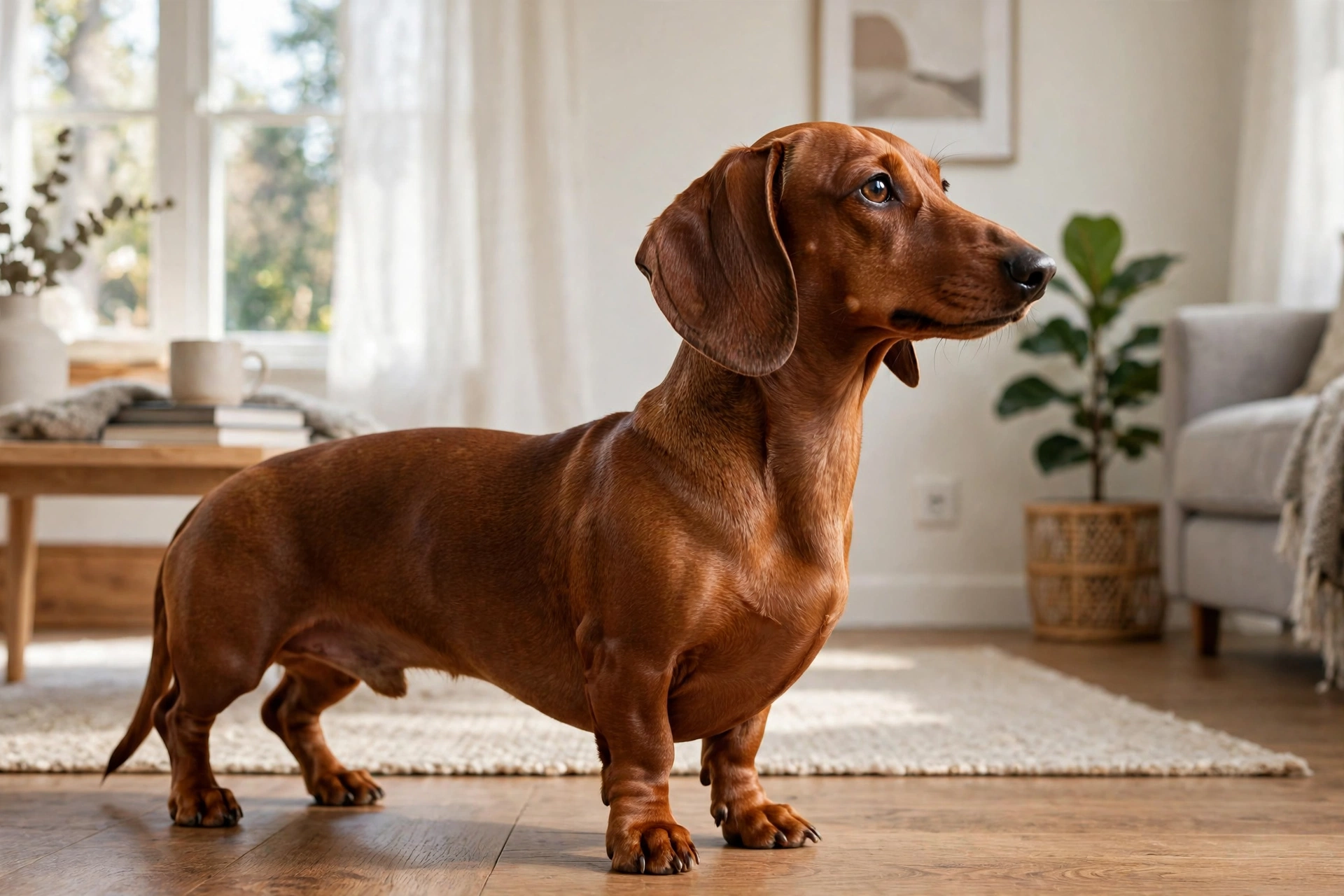
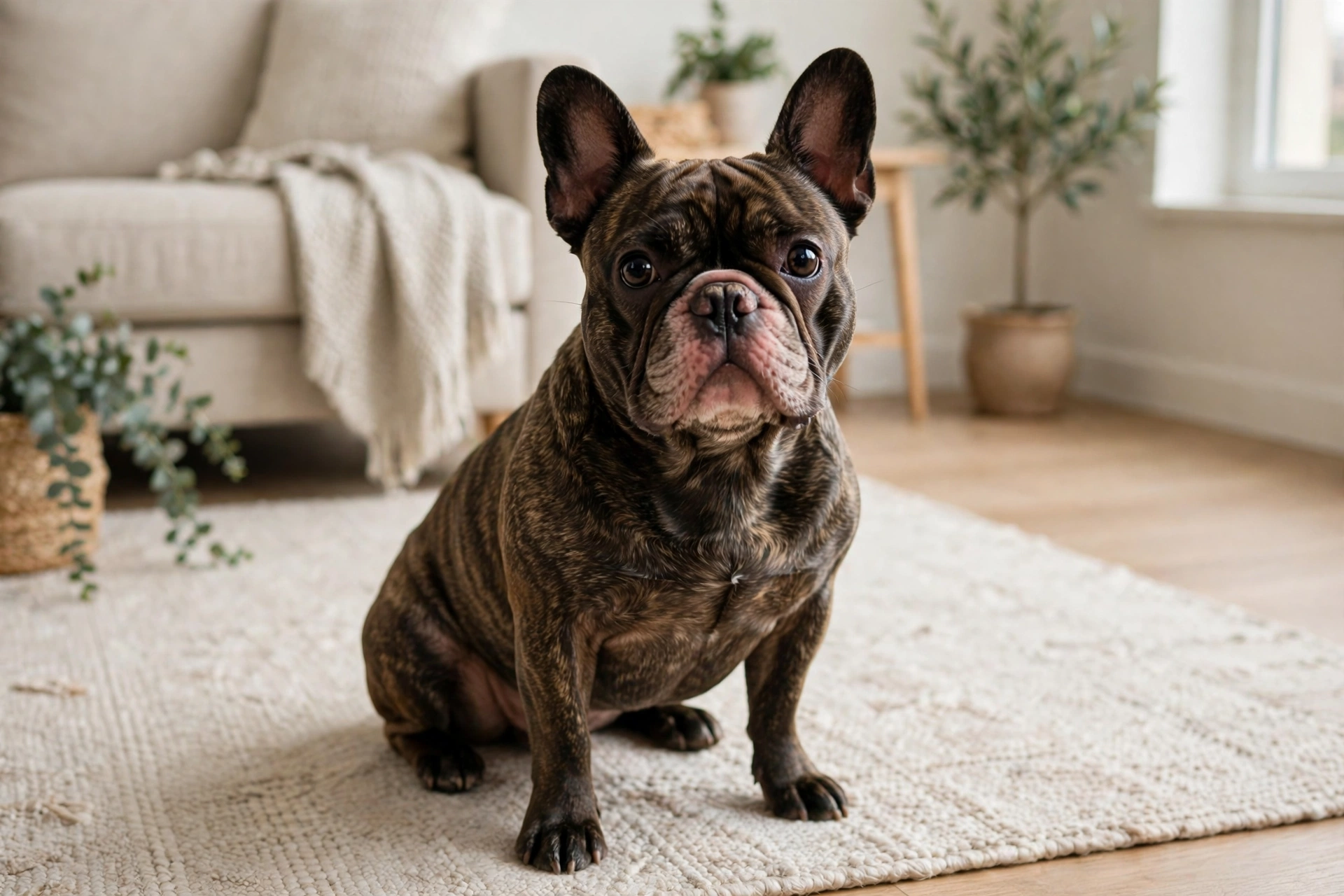
Leash training a puppy means teaching your puppy to walk beside you on a loose leash without pulling, lunging, or sitting down in protest. Most puppies learn the basics in 2 to 3 weeks of short daily practice at home. This guide covers the gear, the fitting checks, a 7-day starter plan, and the method that stops pulling early.
When Should You Start Leash Training a Puppy?
Start at 8 to 10 weeks of age, indoors, on the day your puppy settles into your home. If your puppy has not finished its vaccinations, keep every session inside the house or in your own fenced garden. Young puppies learn fast because the main socialization window stays open until about 16 weeks of age. Waiting until 4 or 5 months lets pulling habits form first. A puppy that comes home at 8 weeks can wear a collar for 5 minutes on day one. For example, an 8-week-old puppy that scratches at a new collar usually stops noticing it within 10 minutes when you pair the collar with play and small pieces of food. Small breeds such as a Shih Tzu and large breeds such as a Labrador both begin at 8 to 10 weeks. Health is the only good reason to delay. A puppy recovering from illness or surgery should rest until your vet clears normal activity.
What Gear Do You Need to Leash Train a Puppy?
You need a flat collar or a well-fitted harness, a fixed leash of 4 to 6 feet, and soft pea-sized treats. Skip retractable leashes for training, because the constant tension teaches a puppy that pulling extends the line. A harness suits most puppies better than a collar during the first months of training. Pressure spreads across the chest instead of the throat when a puppy lunges. Choose a back-clip harness for a calm puppy and a front-clip style if your puppy already pulls hard at 12 weeks. The leash itself should be light nylon or leather that does not drag a small puppy sideways. Add a treat pouch that clips to your waistband so every reward reaches your puppy within 2 seconds. Total starter cost in the US runs about $25 to $45 for a harness, a leash, and a pouch.
| Gear | Best for | Fit or use check | Avoid |
|---|---|---|---|
| Flat collar | Calm puppies and ID tags | Two fingers slide under the band | Choke, prong, or slip collars |
| Back-clip harness | Most puppies under 16 weeks | Snug chest strap with no chafing | Loose straps that twist sideways |
| Front-clip harness | Puppies that pull hard | Clip sits at the center of the chest | Walking on a tight leash |
| Retractable leash | Trained adult dogs only | Not a training tool | Any puppy under 6 months |
How Do You Fit a Collar and Harness on a Puppy?
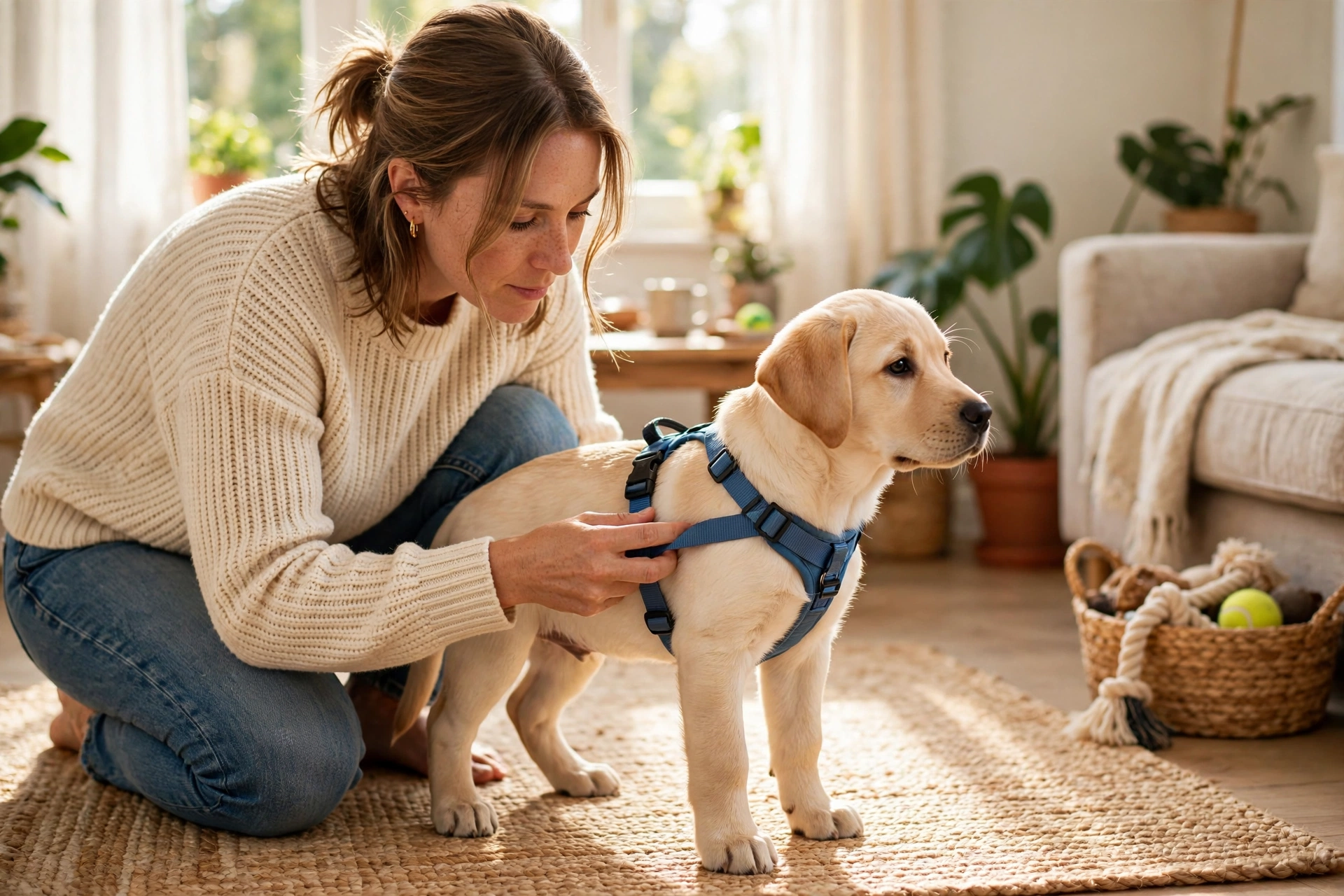
A collar or harness fits correctly if you can slide two fingers flat between the strap and your puppy’s body. If the strap twists or rides up toward the throat, tighten it by one notch and run the two-finger test again. Fit the harness while your puppy stands, not while it sits, because a sitting puppy’s chest measures wider than a standing one. The chest strap should sit behind the front legs and clear each armpit by about one finger width. Check the neck opening on a collar every day this month. Puppies grow quickly, and a collar that fit at 8 weeks can dig into the skin by 11 weeks. Take the collar off at night and during crate time so the strap can never catch on crate bars. For example, a Labrador puppy gaining 2 pounds a week usually needs the collar loosened every 7 to 10 days. Correctly fitted gear stays quiet when your puppy shakes its body. Loose gear rattles, slides around, and teaches a wriggly puppy that escape is possible.
How Do Indoor Drag-Leash Days Work?
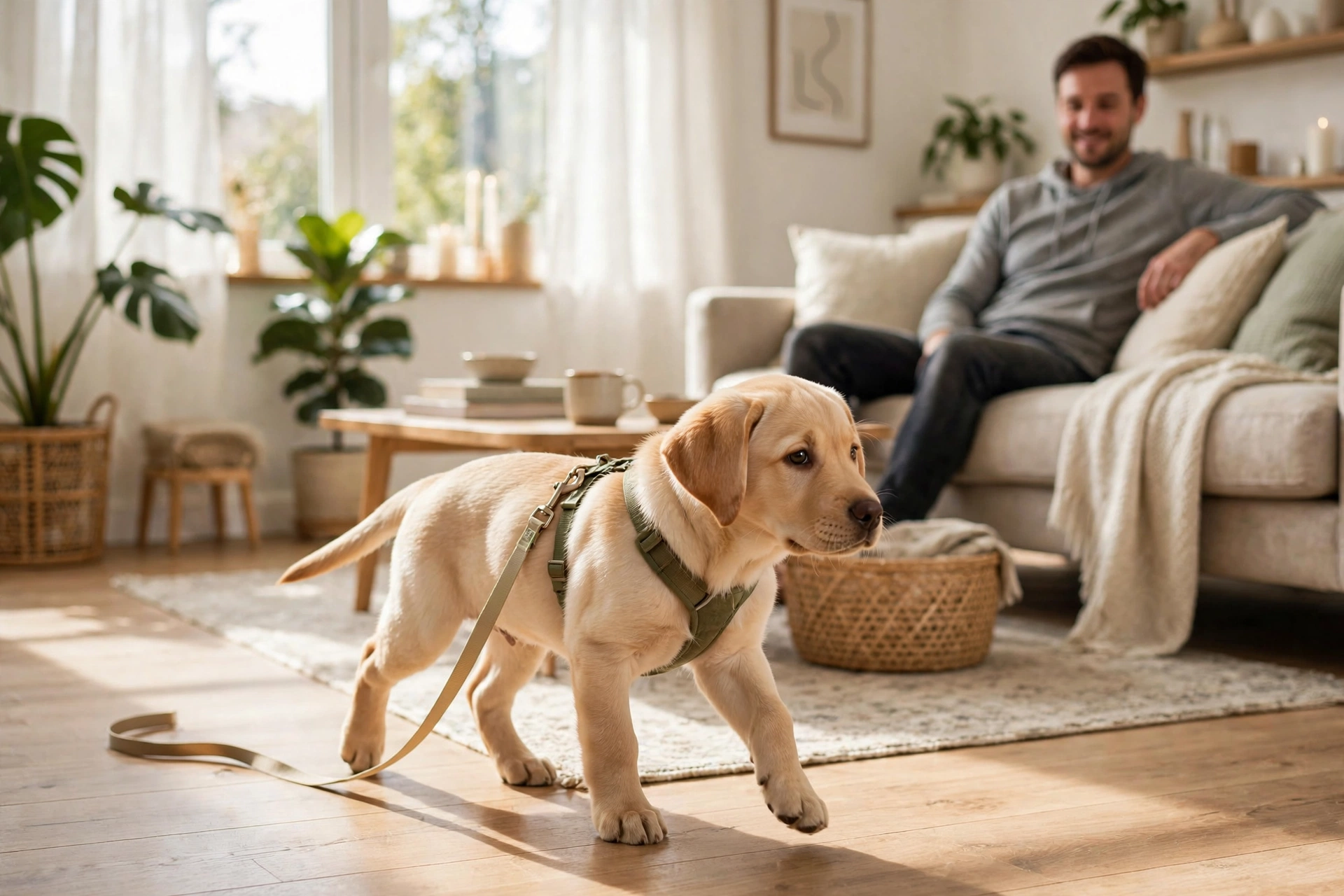
For the first 2 to 3 days, clip the leash on indoors and let your puppy drag it around under supervision for 10 to 15 minutes at a time. If your puppy chews the leash, trade it for a chew toy each time teeth touch nylon instead of scolding or pulling the leash away. Drag-leash days remove fear of the leash before you ever hold it. Your puppy learns that the leash is part of normal life. Stay in the same room, because a trailing leash can loop around chair legs and door handles. Pick the leash up only when it tangles, then set it down again without any comment. Pair each drag session with eating, play, and short training games. By the third day, most puppies trot past the trailing leash without a single glance at it. That calm reaction tells you the puppy is ready for held-leash practice indoors.
How Do You Teach Your Puppy to Follow You Indoors?
Teach a marker word such as “yes,” then reward your puppy every time it chooses to walk toward you on the leash. If your puppy stares at a distraction, say its name once and pay the treat the second its eyes reach you. Start by walking backward across one room so your puppy faces you and follows your movement. Take 3 to 5 steps, say “yes,” and place the treat beside your knee so your puppy learns that good things happen at your leg. Position matters more than distance at this stage of leash training a puppy. A puppy rewarded at your knee 20 times in one session starts offering that spot on its own. Keep the leash loose enough that it forms a soft U shape between your hand and the harness clip. For example, 5 minutes of kitchen laps twice a day gives a 10-week-old puppy about 40 rewarded steps daily.
What Happens in the First Garden Sessions?
Move to the garden once your puppy follows you indoors for a full minute without pulling or freezing in place. If your garden has no fence, use a quiet driveway or patio and keep the leash on at all times. The first garden session should last 5 minutes and cover no more than 30 to 40 feet of ground. New smells compete hard with your treats outdoors, so raise the reward value before you step outside. Switch from plain kibble to small pieces of cooked chicken or cheese for garden work. Let your puppy sniff for 20 to 30 seconds between short walking stretches. Reward every check-in, even a quick glance in your direction. A puppy that glances at you 6 times in 5 minutes is learning to split its attention between the world and you.

How Do You Stop a Puppy Pulling on the Leash?
Stop walking the instant the leash goes tight, and move again only when the leash hangs loose. If your puppy pulls toward a smell, plant your feet and wait in silence for up to 30 seconds. Most puppies turn back, sit down, or step toward you once forward motion stops paying off. Mark that choice with “yes” and deliver the treat at your knee, never out in front of your body. Treat position teaches your puppy where you want it: beside your leg, the one spot where the leash stays slack. Walk forward 2 or 3 steps and repeat the stop as soon as tension returns to the line. A first garden session may include 15 to 20 stops, and that count is normal progress, not failure. Never jerk the leash back or drag your puppy toward you, since both actions teach a puppy to brace against pressure. By the fourth or fifth session, most puppies test the leash less because loose walking now earns both movement and food.
Your 7-Day Puppy Leash Training Plan
Seven days of short daily practice takes most puppies from a first collar fitting to calm garden walking. If one day goes badly, repeat that day instead of pushing on to the next step. Sessions stay at 5 to 10 minutes, 2 or 3 times a day, with treats paid at your knee.
| Day | Focus | Where | Session goal |
|---|---|---|---|
| 1 | Collar and harness on, treats and play | Living room | Gear feels normal for 5 minutes |
| 2 | Drag leash under supervision | Living room and hall | Puppy ignores the trailing leash |
| 3 | Follow the owner, marker word “yes” | One quiet room | 20 rewarded steps at your knee |
| 4 | Forward walking on a loose leash | Whole house | One full lap without pulling |
| 5 | First outdoor practice | Garden | 5 minutes with 6 check-ins |
| 6 | Stop-and-wait practice for pulling | Garden | Puppy loosens the leash after each stop |
| 7 | Short route with one new sight or sound | Garden and driveway | 10 minutes of loose-leash walking |
How Do You Move Leash Training Outdoors?
Build distance and distractions in small steps: garden first, then the driveway, then a quiet street, then busier routes. If a new place makes your puppy pull or freeze, drop back to the last place where it walked calmly. Add one new challenge at a time, such as a parked car, a neighbor at a distance, or light foot traffic. Keep outdoor sessions near 10 minutes until your puppy reaches 16 weeks, then extend by 5 minutes every 2 weeks. A useful exercise target is 5 minutes of walking per month of age, up to twice a day. For example, a 3-month-old puppy handles about 15 minutes of walking at a time without strain. Choose routes with grass verges for sniffing and toilet breaks away from traffic. Cross roads at corners and pause at every curb until your puppy settles. Wait for finished vaccinations before dog parks and busy pet store floors.
What Mistakes Slow Down Puppy Leash Training?
The most common mistakes are retractable leashes, overlong sessions, dragging the puppy forward, and paying treats in the wrong place. If several family members walk the puppy, every person has to use the same rules or progress stalls. A retractable leash rewards pulling with extra line on every walk, so save it until your dog walks politely on a fixed leash as an adult. Sessions over 15 minutes tire a young puppy’s brain and often end in leash biting or lying down mid-route. Dragging looks harmless with a small puppy, yet it teaches the puppy that leash pressure is normal and safe to fight against. Paying a treat out in front of your body pulls your puppy past your knee and creates the forging position you are working to avoid. One quieter mistake is training only in a single room for weeks. A puppy that walks well in the kitchen has mostly learned the kitchen, and each new place needs its own short round of practice. Rotate rooms, surfaces, and times of day from the second week onward.
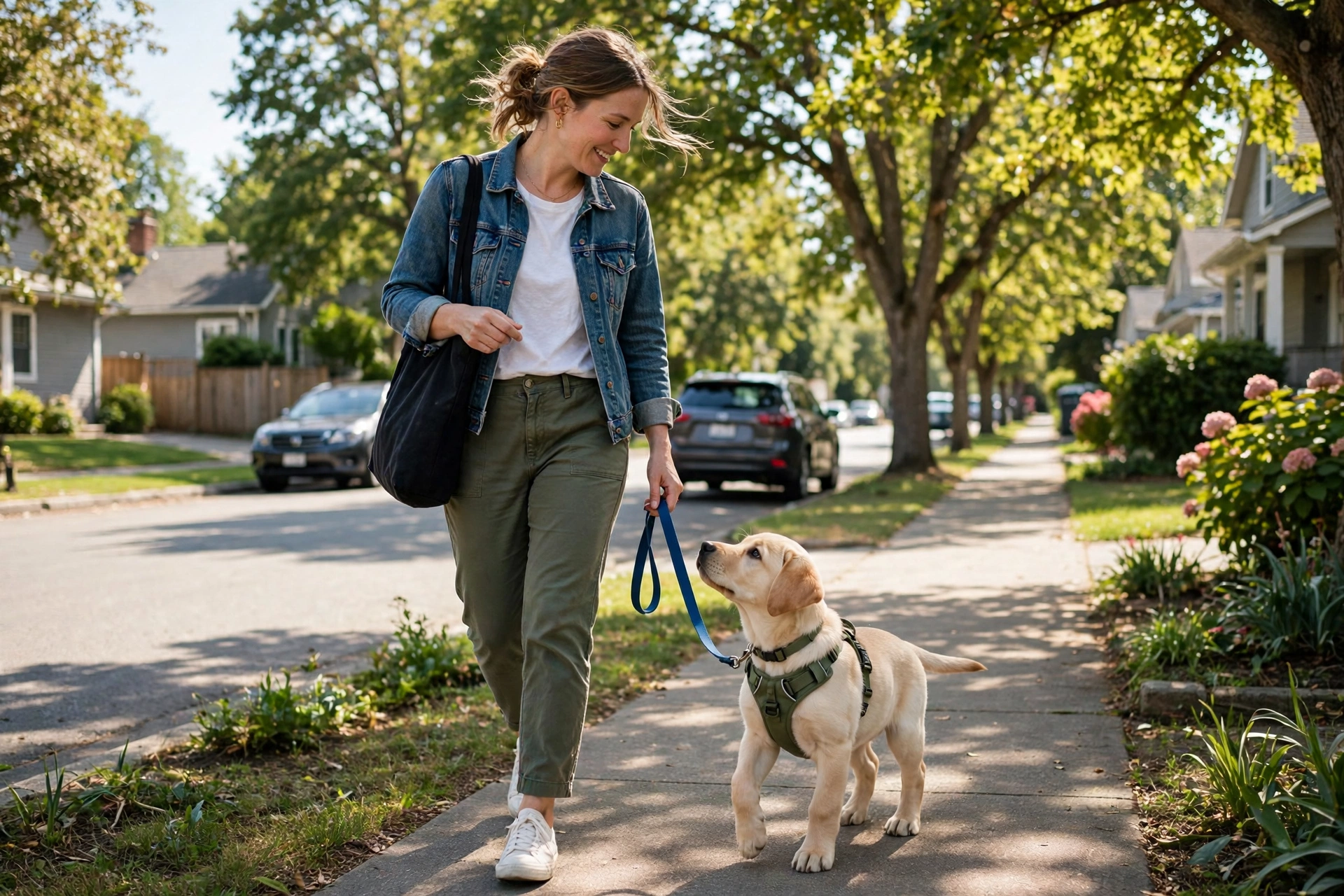
Is Leash Training Safe for a Puppy’s Neck?
Yes, leash training is safe for a puppy’s neck if you use rewards only and never correct your puppy with leash jerks, tugs, or collar pressure. If your puppy pulls hard and often, clip the leash to a harness so the force lands on the chest instead of the throat. A puppy’s neck holds a developing trachea and thyroid area, and repeated sharp pressure can irritate both. Leash pops or leash checks count as corrections, and puppies under 6 months should never receive them. Your only tools are stopping, waiting, turning around, and paying treats at your knee. Check the skin under the collar every evening for redness during the first month. A red ring means the collar is too tight, too rough, or worn too many hours a day. For example, a puppy that wears a brand-new collar for a full day without breaks can rub its fur thin by day three. Limit collar wear to supervised hours until the skin and coat adjust to the strap. Book a vet visit if your puppy coughs, gags, or wheezes after walks, since those signs can point to throat irritation.
Leash Training a Puppy FAQs
Most owners ask the same handful of questions during the first month of leash work.
How long does it take to leash train a puppy?
Most puppies walk on a loose leash at home within 2 to 3 weeks of daily 5 to 10 minute sessions. Reliable walking around distractions takes longer, usually until 5 to 6 months of age with steady practice.
Should a puppy wear a collar or a harness for leash training?
A harness suits most puppies because it moves pressure from the throat to the chest. Flat collars still work for calm puppies and hold ID tags safely. Fit either option with the two-finger test.
How long should puppy leash training sessions last?
Keep sessions at 5 to 10 minutes, 2 or 3 times a day. Young puppies tire mentally fast, and short sessions that end while your puppy still wants treats produce faster learning than one long walk.
What do I do if my puppy sits down and refuses to walk?
Stop, crouch down, and pat your leg while calling your puppy in a happy voice. Reward any step toward you with a treat. Never drag the puppy forward, since dragging teaches resistance and can hurt its neck.
Can I use a retractable leash when leash training a puppy?
No. A retractable leash keeps constant tension on the line and pays out extra line when a puppy pulls, which rewards the pulling. Use a fixed 4 to 6 foot leash until your dog walks politely as an adult.
When can my puppy walk on public streets?
Short walks on quiet streets can start once your puppy walks calmly in the garden, usually at 10 to 12 weeks. Avoid dog parks and heavy dog traffic until vaccinations finish at about 16 weeks.
Why does my puppy bite the leash during walks?
Puppies bite leashes from excitement, teething, or frustration during sessions that run too long. Trade the leash for a chew toy, shorten the session, and reward calm walking so your puppy learns the leash itself earns nothing.
What treats work best for leash training a puppy?
Use soft, pea-sized treats your puppy can swallow in one second, such as tiny pieces of cooked chicken or commercial training treats. Fast eating keeps your puppy walking instead of stopping to chew each reward.
Conclusion
Short daily practice is all it takes: 5 to 10 minutes, a fitted harness or collar, and one rule that a loose leash moves while a tight leash stops. Start indoors at 8 to 10 weeks, pay every treat at your knee, and add the garden and the street only when the previous step looks easy. Puppies learn this way without a single correction on the neck. Keep sessions short, check the fit every week, and give each new place its own practice round. A puppy trained with this method for 10 minutes a day walks on a loose leash beside its owner in everyday settings by 16 to 20 weeks of age.
Sources:
American Kennel Club (AKC) – Dog Training Advice
ASPCA – General Dog Care