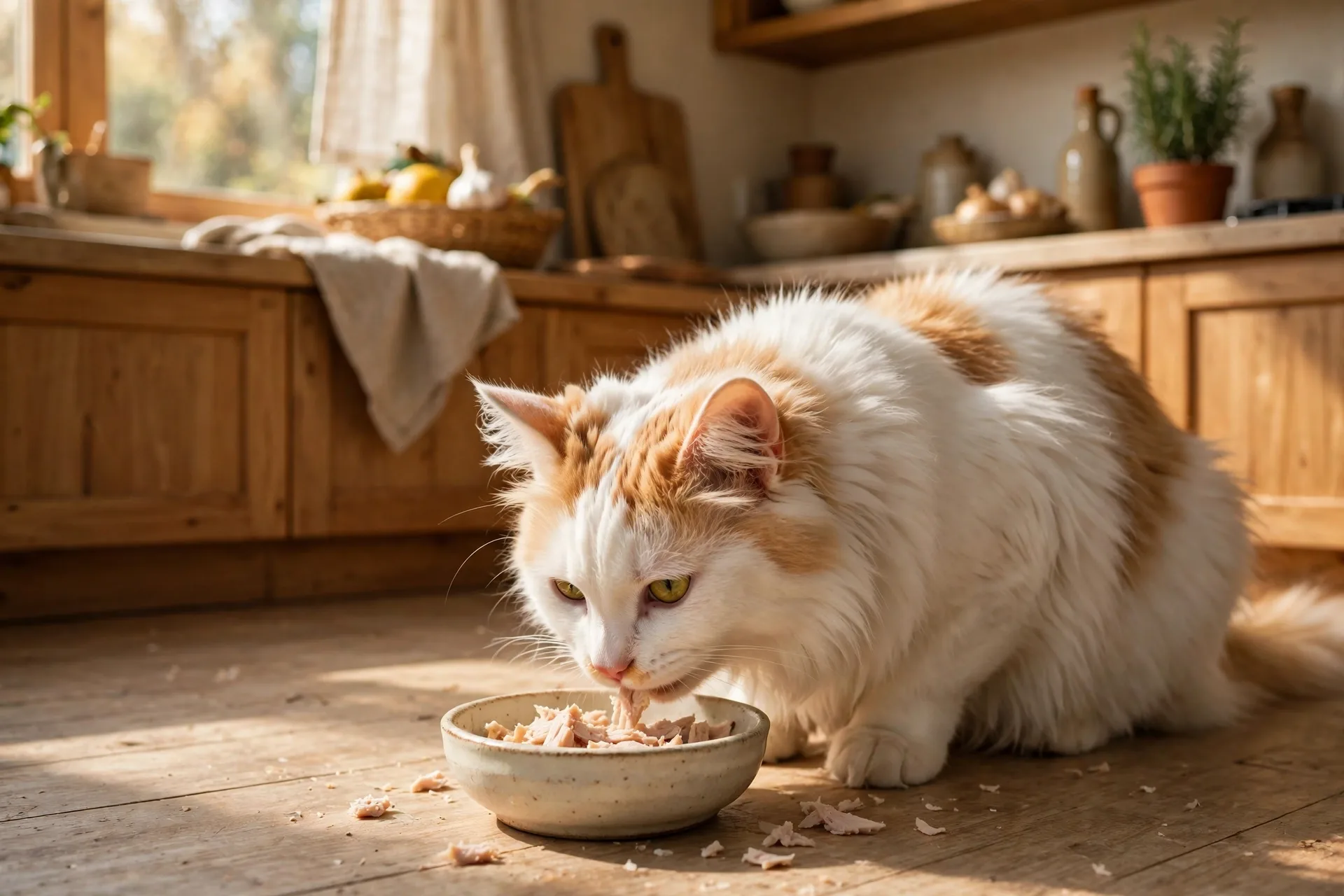
Panting is unusual in cats, and open mouth breathing in a resting cat counts as a warning sign that needs attention the same day. Dogs pant to release heat after every walk, and healthy cats cool the body through grooming, shade seeking and stillness instead. Owners searching cat panting usually find a cat breathing with the mouth open after play, a car ride or a scare, and the first job is separating a brief normal episode from a medical emergency. A 3 year old tabby, for example, may pant for 2 minutes after a hard chase around the living room and then settle into quiet nose breathing on the sofa. A resting cat that still pants after 10 minutes sits in a different category.
Context decides the response. Play, heat, travel stress and the first stage of labour can each trigger an episode in a healthy cat, and heatstroke, asthma and heart disease can trigger open mouth breathing in a sick cat. Time and posture separate the two groups: normal episodes end within a few minutes, and emergency episodes continue, deepen or arrive with drooling, pale gums or a crouched stance.
Is Panting Normal for Cats?
No, panting is not a normal cooling method for cats, and a healthy cat breathes through the nose with the mouth closed at rest. Cats release heat through the paw pads and through saliva spread on the coat during grooming, and panting plays no daily part in temperature control for the species. Four situations produce brief normal episodes: hard play, a hot room, acute stress such as a car ride or a veterinarian visit, and the first stage of labour in a pregnant queen. Each normal episode shares one feature, a clear trigger that ends. A Persian kitten at a first veterinarian visit, for example, may pant inside the carrier and stop within 5 minutes of arriving home. Panting with no visible trigger carries a warning on its own, and unexplained episodes count as medical until a veterinarian rules otherwise.
What Does Cat Panting Look Like?
A panting cat breathes fast with the mouth open, the tongue often held out, and the chest and belly moving in short rapid pushes. A relaxed cat shows closed lips, silent breaths and a slow chest rise, and a panting cat shows parted lips, a visible tongue and breaths too fast to count casually. Posture adds the second signal. A cat in breathing trouble often crouches with the elbows held away from the body and the neck stretched forward, a stance that opens the chest for air. A 5 kilogram (11 pound) Maine Coon crouched on the floor with elbows out after climbing one flight of stairs, for example, shows a posture that calls for a veterinarian the same day. Sound adds a third signal: wheezing, coughing or raspy noise during breathing moves an episode into the emergency group at once.
When Can Panting Be Normal for a Cat?
Brief panting after hard play, in high heat, during acute stress or at the start of labour can be normal, and normal panting settles within a few minutes after the trigger ends. Young cats and kittens pant most often after play, because a 6 month old kitten chases a feather wand and then needs open mouth breaths to recover. Heat produces the same short episode on summer afternoons, when a closed car, a sunlit conservatory or a hot apartment pushes body temperature upward. Stress panting follows travel and handling: a cat loaded into a carrier for a 20 minute car ride to a clinic may pant for the full ride and stop once handling ends. Labour panting arrives with restlessness and nesting in the final day before kittens arrive, and a queen pants during contractions as a normal part of delivery. Each trigger has a clock attached, and panting that outlasts the trigger by more than a few minutes leaves the normal group.
How Do You Count a Cat Breathing Rate at Home?
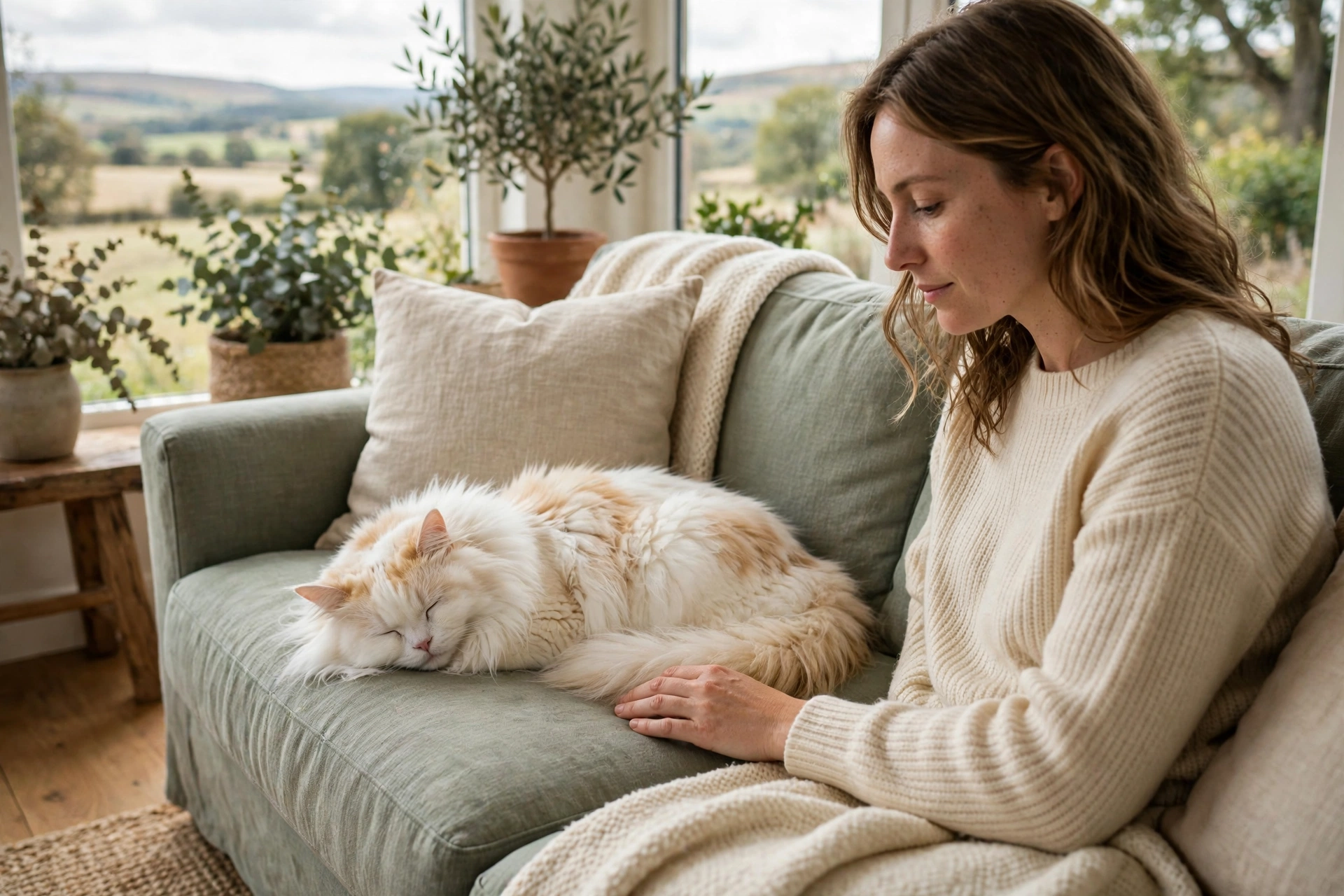
A resting cat takes 20 to 30 breaths per minute, and owners can count the rate in 15 seconds with a phone timer. Rate counting gives owners a number to report on the phone. Counting works only on a resting or sleeping cat, if an owner wants a true resting rate: play, feeding and grooming all raise the rate.
- Wait until the cat is asleep or lying still with the mouth closed
- Watch the chest and count one rise and one fall as a single breath
- Count the breaths in 15 seconds and multiply the count by 4
- Write the number and the time in a phone note for the veterinarian
Seven chest rises in 15 seconds give a rate of 28 breaths per minute, inside the normal band. Twelve rises in 15 seconds give 48 breaths per minute, a rate that needs a veterinarian call the same day. A 4.5 kilogram (10 pound) domestic shorthair asleep on a bed, for example, usually shows 5 to 7 rises in a 15 second count. Owners who count weekly build a personal baseline for one cat, and a jump of 10 breaths per minute above the baseline matters even inside the normal band for a cat with known heart disease. Owners who time cat panting episodes at home give the clinic a cleaner history.
What Causes Abnormal Panting in Cats?
Heatstroke, feline asthma, heart disease, fluid around the lungs, respiratory infections, pain and severe anxiety cause abnormal panting in cats, and a veterinarian confirms the cause with an examination and tests. Heatstroke leads the list in summer, because a cat left in a hot car or a sealed sunroom can pass a body temperature of 104 degrees Fahrenheit (40 degrees Celsius) and move from panting to collapse within the hour. Feline asthma narrows the airways and produces coughing, wheezing and open mouth breathing during a flare, often in cats aged 2 to 8 years. Heart disease changes breathing through fluid: hypertrophic cardiomyopathy (HCM) thickens the heart muscle, weakens pumping and allows fluid to collect inside or around the lungs. Pleural effusion, fluid stored in the space around the lungs, blocks full lung expansion and forces fast shallow breaths. Respiratory infections from viruses and bacteria inflame the nose, throat and lungs and raise breathing effort for days. Pain from an injury, surgery or arthritis can also drive panting in a cat that hides every other pain sign, and severe anxiety during fireworks can hold panting in place after the noise stops. A 9 year old British Shorthair with undiagnosed heart disease, for example, may first show the problem as panting after jumping onto a windowsill, a load a healthy heart handles without effort.
What Should You Do at Home When a Cat Starts Panting?
Stop the activity, move the cat into a cool quiet room, offer water without forcing drinking, and watch the clock for 5 minutes before deciding on transport. Calm handling protects breathing, because restraint and chasing raise oxygen demand in a cat that already struggles for air. Owners can work through a fixed sequence at home, if a cat starts panting with no injury involved.
- Stop play and remove other pets and children from the room
- Move the cat into the coolest quiet room in the home
- Place a bowl of fresh water nearby and let the cat choose to drink
- Keep handling to a minimum and speak in a low steady voice
- Time the episode and count the breathing rate once the mouth closes
- Load the cat into a carrier and drive to a clinic, if panting continues past 5 to 10 minutes
Forcing water into the mouth of a panting cat risks inhalation of fluid into the lungs, and a wet towel draped over a cat traps heat instead of releasing heat. A fan aimed across the room and a cool tile floor give safer cooling for a cat that overheated during play, for example a Siamese on bathroom tiles after a chase session. Calling ahead lets staff prepare oxygen and a quiet examination room.
Normal Signs Versus Emergency Signs
Normal panting is brief, follows a clear trigger and ends with pink gums and a relaxed posture, and emergency panting continues at rest and arrives with gum, posture or sound changes. Owners can compare one episode against the table in under a minute.
| Sign | Normal | Emergency |
|---|---|---|
| Breathing rate at rest | 20 to 30 breaths per minute | Over 40 breaths per minute at rest |
| Mouth position | Closed, breathing through the nose | Open mouth with the tongue held out |
| Duration after play | Settles within 2 to 5 minutes | Lasts over 5 to 10 minutes at rest |
| Gum colour | Pink | Pale, white, grey or blue |
| Posture | Relaxed, lying on one side | Crouched with elbows held out and neck stretched |
| Breathing sound | Quiet breathing | Wheezing, coughing or noisy breathing |
| Drool | None | Drooling or thick saliva |
A single emergency row settles the decision. A cat matching the normal column on every row earns a phone call to a veterinarian, if episodes repeat across several days, because repeated brief episodes can mark early asthma or heart disease.
Which Signs Mean a Veterinarian Visit Today?
Panting that lasts over 5 to 10 minutes at rest, open mouth breathing with the tongue out, drooling, blue or pale gums, a crouched posture with elbows held out, or collapse each mean a veterinarian visit today, with no home waiting period. Gum colour gives the fastest check: healthy gums are pink, and pale, white, grey or blue gums signal poor oxygen delivery to tissue. Drooling beside panting points toward heatstroke, nausea or pain, and each cause needs hands-on assessment. Collapse ends all debate about timing, because a collapsed cat needs oxygen and stabilisation before any full examination. Owners who suspect poisoning as the trigger, for example a cat that chewed a lily leaf and started panting, can call the American Society for the Prevention of Cruelty to Animals (ASPCA) Animal Poison Control Center at (888) 426-4435 at any hour. Transport in a carrier with a familiar blanket and a dark cover keeps breathing effort down during the drive.
How Does a Veterinarian Find the Cause of Panting?
A veterinarian finds the cause through a physical examination, temperature and breathing rate checks, chest imaging and blood tests, and a struggling cat receives oxygen before the full workup starts. Stabilisation comes first in the clinic: oxygen, a quiet cage and light sedation settle breathing in a distressed cat, and testing follows once the cat breathes safely. Listening to the heart and lungs can reveal a murmur, crackles or muffled sounds that point toward fluid. Chest X-rays show lung patterns, heart size and pleural effusion in a single study. Blood tests check red cell counts, infection markers and organ values, and an ultrasound examination of the heart, called an echocardiogram, measures heart muscle thickness in a cat suspected of carrying hypertrophic cardiomyopathy. A 7 year old Ragdoll with a murmur and fluid on X-ray, for example, may leave with heart medication and a recheck plan, while a cat with an asthma pattern receives airway medication and an inhaler plan.
Which Cats Face a Higher Risk of Panting Problems?
Flat faced breeds, overweight cats, senior cats and cats with a known heart or airway condition face a higher risk, and kittens pant briefly after play more often than adult cats. Persian and Exotic Shorthair cats carry shortened airways that narrow airflow on every breath, so heat and stress push flat faced cats into panting faster than long nosed breeds. Body weight loads the chest: a 7.3 kilogram (16 pound) neutered male carrying 2.3 kilograms (5 pounds) of excess weight breathes harder at rest than the same cat at a lean 5 kilograms (11 pounds). Senior cats over 11 years carry higher rates of heart disease, kidney disease and hyperthyroidism, and each condition can surface first as faster breathing. Cats with a diagnosed asthma or heart history earn the fastest response from owners, because one owner rule covers every episode in a diagnosed cat: call the clinic at the first open mouth breath. Kittens sit at the low risk end and the high end for play panting, and a kitten episode that ends within 2 minutes after a chase game stays inside normal limits.
Conclusion
Cats do not pant to cool down in daily life, and open mouth breathing in a cat deserves attention on the day an owner first sees the behaviour. Brief episodes of cat panting after play, heat, travel stress or the start of labour settle within a few minutes and end with quiet nose breathing. Episodes that continue at rest, repeat across days or arrive with drooling, pale gums or a crouched posture belong in a clinic the same day. A resting cat breathes 20 to 30 times per minute with the mouth closed, and a cat breathing with the mouth open at rest needs a veterinarian today.
Keep exploring: try our cat quality of life calculator, and read about cat sneezing.
Frequently Asked Questions
Is it normal for a cat to pant after playing?
Yes, brief panting after hard play is normal in kittens and young cats. Play panting settles within a few minutes of rest in a cool room. Panting that continues past 10 minutes or returns at rest needs a veterinarian.
How long can a cat pant before panting becomes an emergency?
Panting that lasts over 5 to 10 minutes at rest counts as an emergency. Open mouth breathing with drooling, pale gums or collapse shortens the limit to zero, and the cat needs a clinic at once.
Why does my cat pant in the car?
Car rides trigger panting through stress and heat in most cats. Carrier stress, engine noise and a warm cabin combine during travel. Panting should stop within minutes of reaching home, and continued panting at home needs a veterinarian call.
Can stress alone make a cat pant?
Yes, stress alone can make a cat pant. Fireworks, house moves, new pets and carrier trips each raise stress breathing in healthy cats. Episodes end after the trigger ends, usually inside 30 minutes in a quiet room.
What is a normal breathing rate for a resting cat?
A resting cat takes 20 to 30 breaths per minute. Count chest rises for 15 seconds and multiply by 4 during sleep for a true resting rate. Rates over 40 at rest need a veterinarian the same day.
Should you give water to a panting cat?
Yes, offer water to a panting cat, and never force water into the mouth. Place a bowl within reach and let the cat drink voluntarily. Forced water can enter the lungs and add a second emergency to the first.
Can panting be a sign of heart disease in a cat?
Yes, panting can be a sign of heart disease in a cat. Hypertrophic cardiomyopathy thickens the heart muscle and can let fluid collect around the lungs. A veterinarian confirms heart disease with imaging, never from panting alone.
Sources:
ASPCA – General Cat Care
VCA Animal Hospitals – Know Your Pet Library