Panting is the normal cooling method for dogs, and panting after heat, exercise or excitement needs no treatment. Dogs carry functional sweat glands only in the paw pads, so the mouth and the respiratory tract do the cooling work. A resting dog breathes 10 to 30 times per minute, and panting raises the rate to 200 to 400 breaths per minute. Owners typing dog panting into a search box at midnight usually watch a dog breathing fast on a cool floor with no walk and no heat behind the breathing, and that mismatch between rate and situation is the signal that matters. Context separates normal cooling from a medical warning. The sections below give the normal rates, the abnormal causes, the home cooling steps and the exact emergency thresholds for 2026.
Speed alone never settles the question. A Labrador Retriever sprinting after a ball in July pants harder than a Chihuahua asleep in January, and both rates can be normal for the moment. Duration, company signs and gum colour carry the verdict on dog panting instead. Panting that settles within 10 to 15 minutes of rest in a cool room fits normal cooling, and panting that continues past 15 minutes with thick drool or pale gums does not fit normal cooling.
Is Dog Panting Normal?
Yes, panting is a normal and necessary body function for every healthy dog. Panting is rapid, shallow, open mouth breathing, and panting moves air across the tongue, the mouth lining and the upper airways. A normal dog body temperature runs from 101 to 102.5 degrees Fahrenheit (38.3 to 39.2 degrees Celsius), and panting holds body temperature inside that range on warm days and during exercise. PetMD states the same baseline: panting is the primary cooling route because dogs cannot sweat across the skin the way humans sweat across the skin. Puppies, adult dogs and senior dogs all pant, and breed shape changes the sound and the effort rather than the purpose. A Pug, for example, pants louder than a Border Collie at the same temperature because the Pug airway is shorter and narrower.

How Does Panting Cool a Dog?
Panting cools a dog through evaporation of moisture from the tongue, the nose and the lining of the lungs. Each fast breath pulls cooler air across wet surfaces, and evaporation carries heat out of the blood flowing under those surfaces. A second mechanism supports the first mechanism: blood vessels in the face and the ears widen during heat, and wider vessels bring warm blood closer to the skin surface for heat release. Humidity weakens the whole system. Evaporation slows in air already loaded with moisture, so a dog in a humid yard at 32 degrees Celsius (90 degrees Fahrenheit) cools far slower than a dog in a dry yard at the same temperature. Water intake feeds the system, because evaporation spends body water with every minute of panting. A 30 kilogram (66 pound) Labrador Retriever after a summer run, for example, needs free access to a full water bowl before the Labrador Retriever can keep panting effectively.
What Are the Normal Reasons for Dog Panting?
Heat, exercise and excitement are the three normal triggers, and each trigger produces panting that fades as the trigger fades. Triggers follow a consistent pattern across breeds and ages.
- Heat: air temperature over 26 degrees Celsius (80 degrees Fahrenheit) starts cooling panting in most resting dogs
- Exercise: running, fetch and swimming raise muscle heat within 2 to 3 minutes of hard work
- Excitement: visitors, car rides and feeding time raise the breathing rate and add whining or tail wagging
- Warm rooms: a sunlit room or a sleeping spot beside a heater triggers panting indoors in winter
Recovery speed confirms the trigger in most homes. A Beagle after a 30 minute walk, for example, pants hard at the front door and breathes near the resting rate again within 10 minutes on a cool kitchen floor. Excitement panting ends faster, and a Dachshund greeting an owner at the door usually settles within 2 to 5 minutes. Panting with no trigger behind the panting, for example panting that starts during sleep at 2 a.m., belongs in the abnormal group covered below.
How Can You Tell Normal Panting From Abnormal Panting?
Three checks separate the two groups: the trigger match, the settle time and the company signs. First, match the panting against the last 30 minutes, because heat, exercise or excitement inside that window supports a normal verdict. Second, run the settle test: rest the dog in shade or air conditioning and time the breathing, because normal panting slows inside 10 to 15 minutes. Third, read the company signs in the table below, because drool texture, gum colour and body control change the verdict on their own. Record one resting rate per week and you’ll spot abnormal rates faster than memory alone allows, for example 18 breaths per minute for a sleeping Greyhound.
| Check | Normal panting | Abnormal panting |
|---|---|---|
| Trigger | Follows heat, exercise or excitement | Starts at rest, indoors or during sleep |
| Settle time | Slows within 10 to 15 minutes of rest in a cool place | Continues past 15 minutes of rest in a cool place |
| Sound | Quiet, open mouth breathing | Loud, harsh, raspy or changed sound |
| Gums | Moist and pink | Bright red, pale, gray or blue |
| Saliva | Thin and normal in amount | Thick, sticky drool in large amounts |
| Body signs | Relaxed posture, normal walking, normal appetite | Vomiting, stumbling, shaking, collapse or refusal to eat |
Sound adds a fourth check after the table. Normal panting stays quiet, and abnormal panting can turn loud, harsh or raspy across a single week. Laryngeal paralysis, a failure of the vocal cord muscles to open the airway fully, produces a harsh roaring sound in older Labrador Retrievers and Golden Retrievers, and PetMD flags the sound change as a reason for a clinic visit.
Can Heatstroke Cause Heavy Panting in Dogs?
Yes, heatstroke causes the heaviest panting in dogs, and heatstroke is a life threatening emergency. Heatstroke begins when body temperature climbs over 104 degrees Fahrenheit (40 degrees Celsius) and panting can no longer pull body temperature down. The American Kennel Club (AKC) warns that temperatures over 106 degrees Fahrenheit (41.1 degrees Celsius) bring gray or purple gums, seizures, collapse and coma. Early signs arrive in a fixed order in most cases: frantic panting first, thick sticky saliva second, bright red gums and tongue third, then vomiting, weakness and stumbling. A closed car creates the fastest route to heatstroke. The AKC records cabin temperatures reaching 130 degrees Fahrenheit (54.4 degrees Celsius) within minutes on a mild day in the mid 60s Fahrenheit (18 degrees Celsius), with death possible inside 15 minutes. A dog showing heatstroke signs needs cooling first and transport second, and the cooling steps sit in the home response section below.
What Health Problems Cause Abnormal Dog Panting?
Pain, anxiety, heart disease, lung disease, Cushing disease and steroid medication each cause panting with no heat or exercise behind the panting. During rest, pain drives panting, and arthritis, dental disease and stomach pain hide behind panting in stoic dogs that never whine. Anxiety drives panting during thunderstorms, fireworks and veterinary visits, and anxious dogs add pacing, yawning and wide eyes to the panting. Heart disease and lung disease cut oxygen delivery, so the body raises the breathing rate to compensate, and congestive heart failure, pneumonia and bronchitis all appear on veterinary cause lists. Cushing disease (hyperadrenocorticism), an overproduction of the hormone cortisol, raises panting alongside heavy thirst, heavy urination and a pot belly shape. Medication is the easiest cause to confirm, because prednisone and other steroids list panting as a common side effect, and panting that starts within days of a first prednisone dose points at the prescription. No owner can separate these causes at home, and a veterinarian with an examination, blood tests and chest X-rays makes the diagnosis.
Which Dogs Face the Highest Risk From Panting Problems?
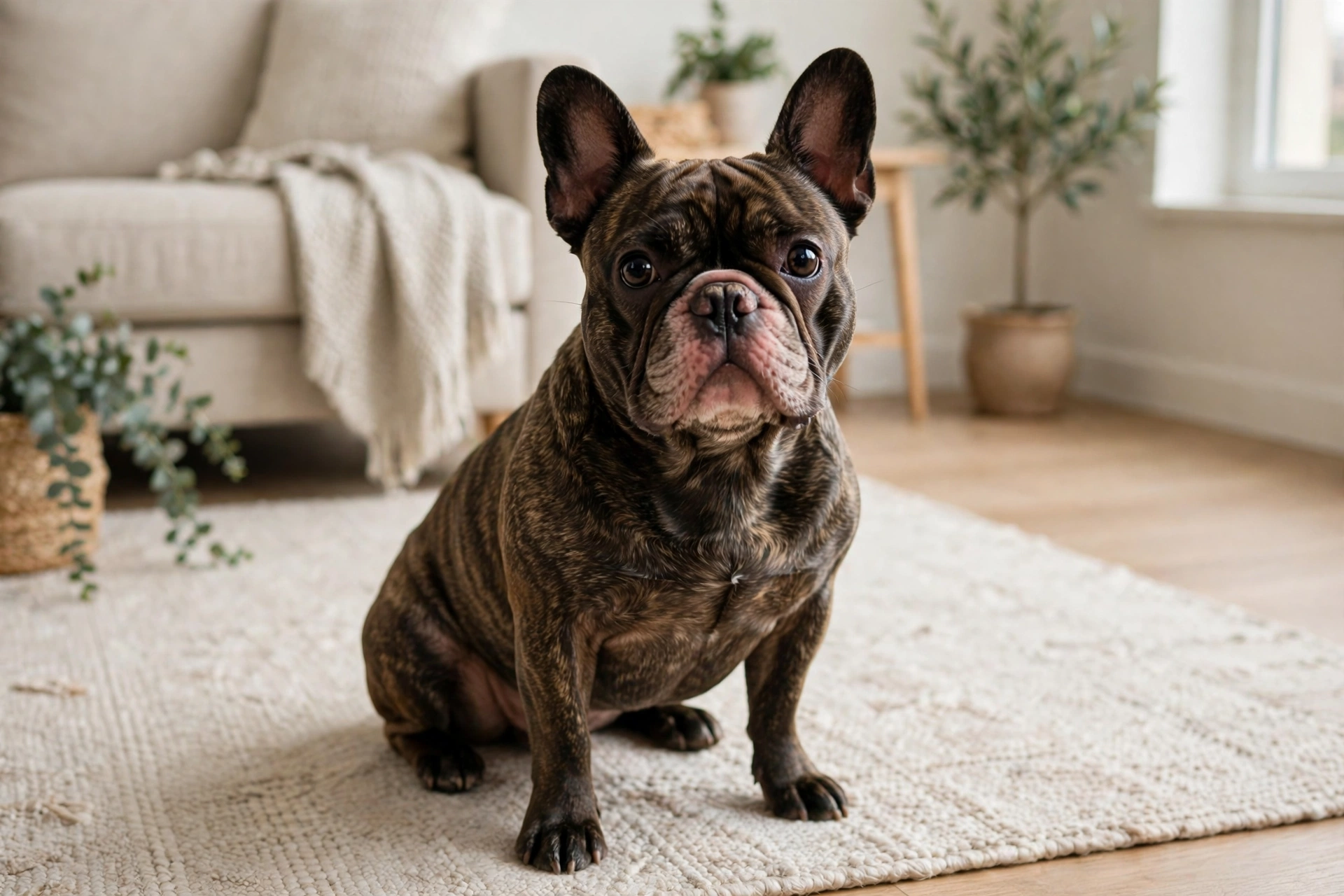
Brachycephalic (flat faced) breeds, overweight dogs, senior dogs and dogs with heart disease face the highest risk. The Pug, the French Bulldog and the English Bulldog move air through shortened airways, and the Royal Society for the Prevention of Cruelty to Animals (RSPCA) confirms that short snouts make panting a less effective cooling tool. Extra fat insulates the body and traps heat inside the body: 450 grams (16 ounces) of extra fat on a 4.5 kilogram (10 pound) Chihuahua, for example, equals 10 percent of total body weight working against cooling. Senior dogs regulate temperature slower than young dogs and carry more heart and lung disease into old age. Thick double coats, dark coats in direct sun, puppies under 6 months and dogs with laryngeal paralysis complete the high risk list. Owners of a French Bulldog in Florida, for example, should treat 15 minutes of midday summer exercise as the daily ceiling, not as the starting point.

How Do You Cool Down an Overheated Dog at Home?
Cooling follows four actions in order: stop the activity, move the dog, wet the coat with cool water, and fan the dog. Each action removes heat or adds evaporation, if an owner starts within the first 5 minutes of heavy panting.
- Stop all exercise and carry a small dog out of the heat instead of walking the dog out
- Move the dog into shade or an air conditioned room at once
- Offer small drinks of cool water, about 100 to 200 milliliters (3.4 to 6.8 ounces) at a time, and never force water into the mouth
- Wet the whole coat with cool water down to the skin, focusing on the neck, the belly and the inner thighs
- Fan the dog by hand or with an electric fan to speed evaporation
- Call a veterinarian or an emergency clinic while cooling continues
Ice and ice water are banned from the routine. The AKC states that cold or icy water constricts blood vessels and slows heat loss, and an ice bath can drop surface temperature while the core temperature keeps rising. A garden hose on a gentle setting, for example, cools a Golden Retriever safely across 10 minutes of steady wetting and fanning. Cooling continues during transport in an air conditioned car, and a dog that looks recovered still needs a veterinary examination the same day, because heatstroke damages kidneys and blood clotting hours after the panting stops.
When Is Dog Panting an Emergency?
Panting becomes an emergency when any one of six thresholds appears, and each threshold earns an emergency clinic trip without a waiting period.
- Panting continues past 10 to 15 minutes of rest in shade or air conditioning
- Drooling produces thick, sticky saliva instead of thin saliva
- Gums turn bright red, pale, gray or blue instead of moist pink
- Vomiting or diarrhea joins the panting
- Stumbling, weakness or a drunken walking pattern appears
- Collapse, seizures or loss of consciousness occurs
Owners in the United States can call the American Society for the Prevention of Cruelty to Animals (ASPCA) Animal Poison Control Center at (888) 426-4435 for guidance at any hour, and emergency clinics take breathing cases ahead of routine cases. A thermometer reading settles borderline cases, if an owner owns a rectal thermometer and lubricant: a reading over 104 degrees Fahrenheit (40 degrees Celsius) confirms the emergency. One common borderline case, a Beagle panting at midnight with pink gums and a normal temperature, still earns a veterinary call the next morning, because new panting at rest is a change worth recording even without an emergency threshold.
How Do Veterinarians Find the Cause of Abnormal Panting?
Veterinarians combine a physical examination, a temperature reading, blood tests and chest imaging to find the cause. The examination covers gum colour, heart sounds, lung sounds, pain points and abdominal shape in the first 10 minutes of the visit. Blood tests screen for Cushing disease, anemia (a low red blood cell count) and infection. Chest X-rays show heart size and lung fluid, and an ultrasound examination follows, if the X-ray raises a heart question. Oxygen support starts before testing, if a dog arrives with labored breathing or gray gums. Owners help most by reporting three facts in the first minute: the time the panting started, the activity and the temperature before the panting, and every medication given in the last 30 days, including prednisone doses in milligrams.
Conclusion
Panting is normal cooling for dogs, and panting with no trigger, no settle inside 15 minutes or any emergency sign is a medical warning. Owners hold three working tools after reading this guide: the resting rate range, the settle test and the six emergency thresholds. Cooling at home uses shade, cool water on the coat and moving air, and ice has no place in the routine. A healthy dog at rest breathes 10 to 30 times per minute, and normal body temperature holds between 101 and 102.5 degrees Fahrenheit (38.3 to 39.2 degrees Celsius).
Keep exploring: read our guide to dog coughing, and try our pet health calculators.
Frequently Asked Questions
Why is my dog panting at night?
Night panting usually points to pain, anxiety, a warm sleeping area or an early medical problem. Panting during sleep counts as abnormal panting. Move the bed to a cooler room and book a veterinary examination.
How long should a dog pant after exercise?
Healthy panting after exercise slows within 10 to 15 minutes of rest in a cool place. A fit adult dog returns close to the resting rate inside that window. Panting past 15 minutes needs veterinary advice.
Can anxiety cause panting in dogs?
Yes, anxiety causes panting in dogs during thunderstorms, fireworks, car rides and veterinary visits. Anxious dogs add pacing, yawning, wide eyes and drooling to the panting. Panting that appears only during storms points to anxiety rather than heat.
Is heavy panting a sign of pain in dogs?
Yes, heavy panting at rest is a recognized sign of pain in dogs. Arthritis, dental disease and stomach pain commonly hide behind rest panting. A veterinarian examination with pain scoring finds the source.
Should you give a panting dog ice water?
No, a panting dog needs cool water in small drinks, never ice water or an ice bath. Ice water constricts blood vessels and slows heat loss from the skin. Offer small drinks of cool water every few minutes instead.
Do puppies pant more than adult dogs?
Yes, puppies breathe faster than adult dogs, and puppy resting rates run higher per minute. A puppy also regulates body temperature less steadily than an adult. Panting during sleep or pale gums needs a same day veterinary call.
Which dog breeds pant the most?
Brachycephalic breeds pant the loudest and the longest, led by the Pug, the French Bulldog and the English Bulldog. Short airways force harder breathing for the same cooling result. Thick coated breeds pant heavily in summer heat as well.
Sources:
ASPCA – General Dog Care
VCA Animal Hospitals – Know Your Pet Library