
The best small dog breeds are the ones whose energy, grooming needs and temperament fit your daily life, such as the Cavalier King Charles Spaniel, Bichon Frise, Shih Tzu, Boston Terrier and Miniature Schnauzer. Small size makes a dog easier to travel with and house, but size alone does not make a dog easy.
This guide ranks no single winner, because the right dog depends on your home and routine. It compares popular small breeds by weight, temperament, exercise and care, then covers health risks and training. Breed details here come from published breed guides, not from our own breed testing, and individual dogs vary a lot.
What Counts as a Small Dog?
There is no single official cutoff, but most guides call dogs under about 22 pounds small and dogs under about 10 pounds toy breeds. Dogs from 22 to 35 pounds are often called small-medium.
| Group | Typical weight | Examples |
|---|---|---|
| Toy | Under 10 lb | Chihuahua, Maltese, Toy Poodle, Papillon |
| Small | 10 to 22 lb | Cavalier King Charles Spaniel, Pug, French Bulldog, Shih Tzu |
| Small-medium | 22 to 35 lb | Beagle, Whippet |
Weights are rough ranges from breed guides, so treat them as a guide, not a rule.

Best Small Dog Breeds Compared
The best small dog breeds for most homes are gentle, sociable and easy to train, with low to moderate exercise needs. The table compares well-known options side by side.
| Breed | Typical weight | Temperament | Exercise | Care notes |
|---|---|---|---|---|
| Cavalier King Charles Spaniel | 13 to 18 lb | Gentle, affectionate, adaptable | Moderate | Silky coat needs brushing; heart checks matter |
| Bichon Frise | Small | Cheerful, playful | Moderate | Low shedding; grooming every 6 to 8 weeks |
| Boston Terrier | 10 to 25 lb | Friendly, bright, eager to please | Moderate | Smooth coat; easy to care for |
| Shih Tzu | 9 to 16 lb | Outgoing, affectionate | Low | Long coat; many owners choose a short cut |
| Pug | 14 to 18 lb | Playful, loving | Moderate walks | Gains weight easily; flat face limits breathing in heat |
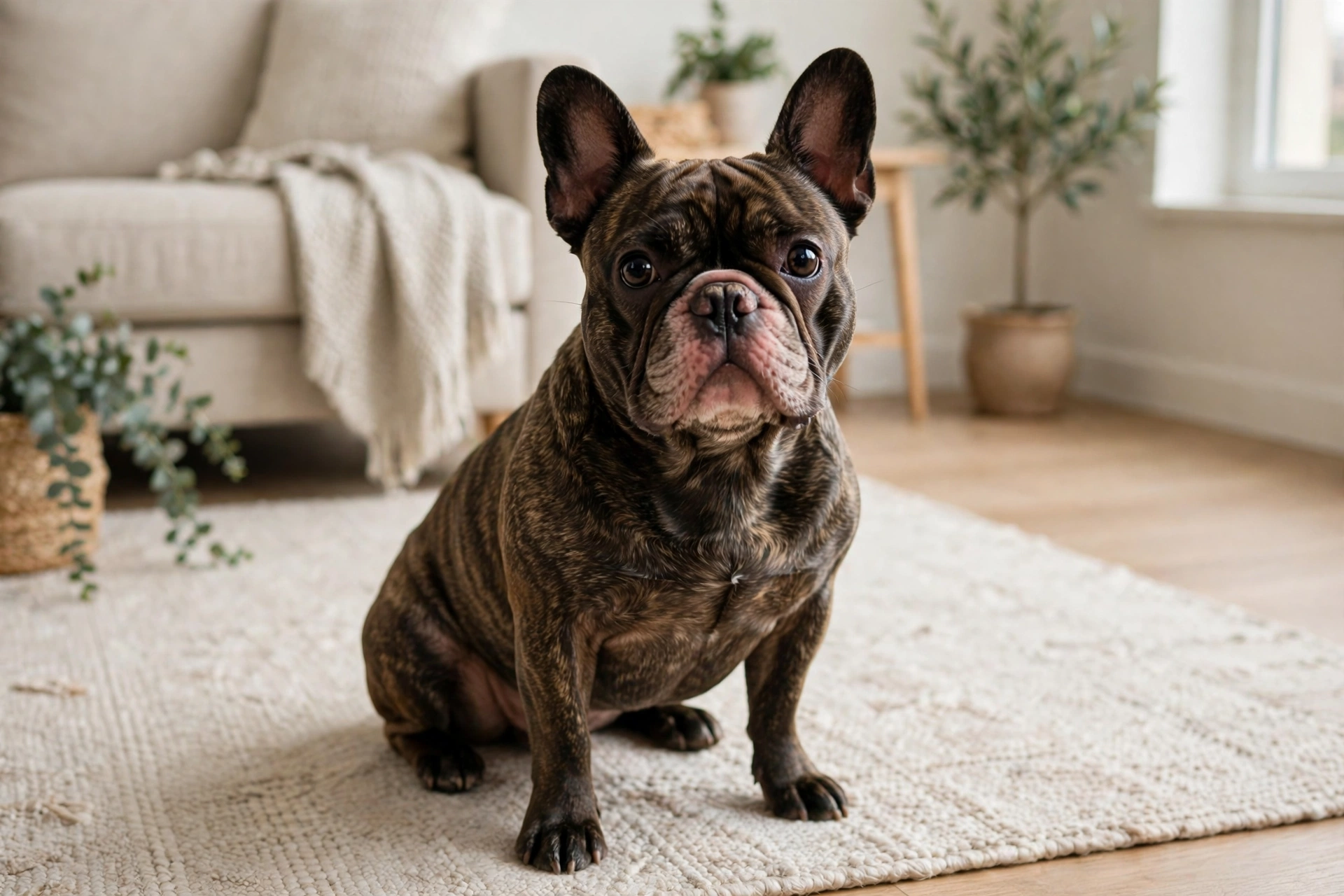
| French Bulldog | Under 25 lb | Easygoing, playful | Low | Flat-faced breathing issues; vet visits likely |
| Miniature Schnauzer | 11 to 20 lb | Alert, loyal, trainable | Active play | Wiry coat needs grooming; keep the diet lean |
| Papillon | 5 to 10 lb | Lively, eager to learn | Play sessions | Long coat that mats less than many breeds |
| Toy Poodle | 4 to 6 lb | Smart, playful, sociable | Active for its size | Low-shedding curls need regular grooming |
| West Highland White Terrier | 15 to 20 lb | Confident, spirited | Active | Double coat; prone to skin problems |
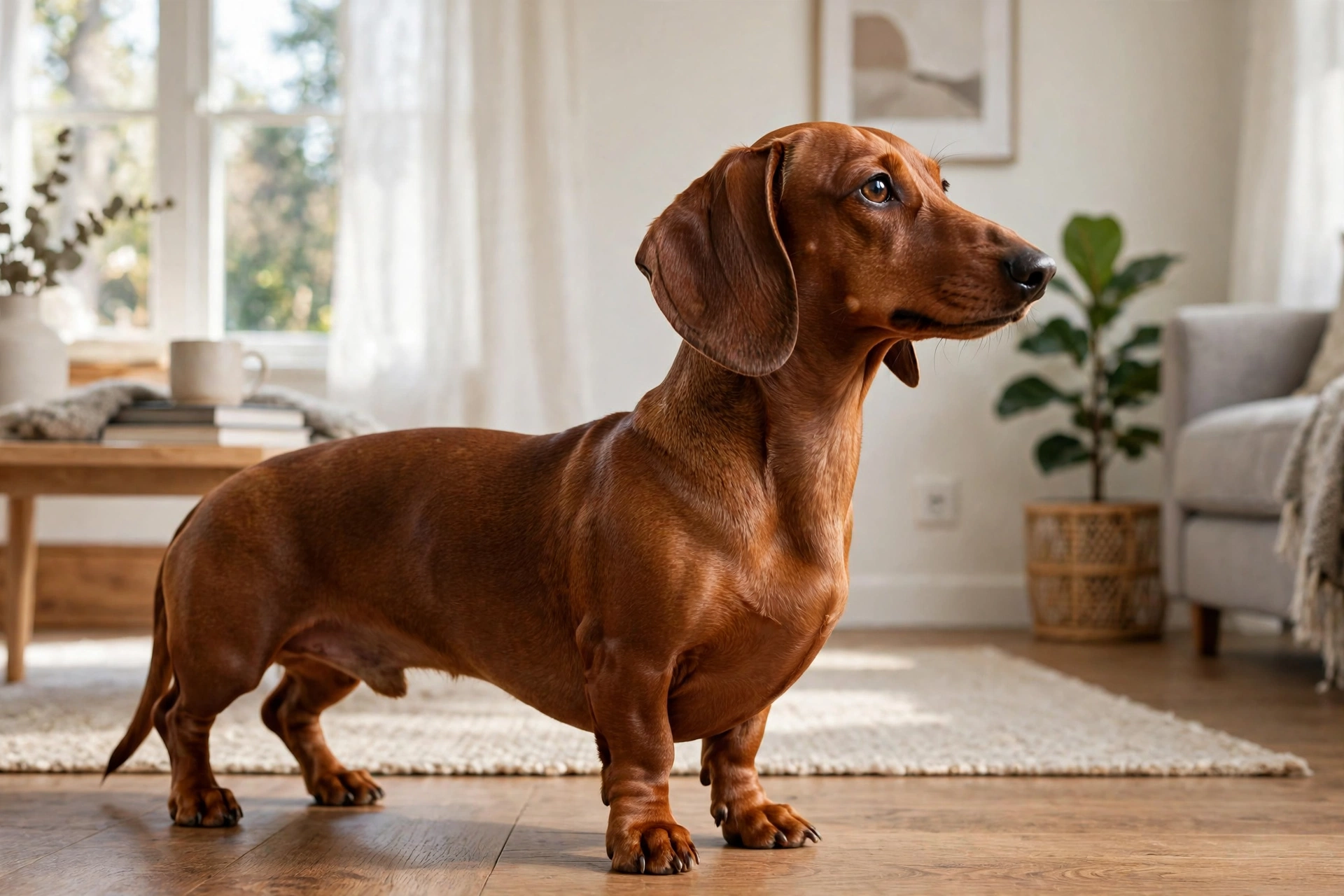
| Dachshund | Under 25 lb | Bold, curious, lively | Moderate | Back problems; keep lean and limit jumping |
Weights and traits come from published breed guides and vary between lines. Breeders and shelters can tell you more about a specific dog.

Best Small Dog Breeds for Apartments
Calm, quiet and sociable breeds suit apartments best, such as the Cavalier King Charles Spaniel, Boston Terrier, French Bulldog and Shih Tzu. Square footage matters less than barking, energy and daily exercise.
- Cavalier King Charles Spaniel: gentle and famously quiet.
- French Bulldog: calm indoors and a low barker.
- Boston Terrier: friendly with a low barking tendency.
- Shih Tzu: needs more cuddles than exercise.
- Bichon Frise: peppy but not overly vocal.
Give any apartment dog a dedicated spot, such as a compact crate or cozy bed, and use treat-dispensing toys for enrichment. Read our guide to stopping dog barking if noise could be an issue with neighbors.
Best Small Dog Breeds for First-Time Owners
First-time owners do best with sociable, adaptable breeds that are easy to train and have manageable exercise needs. The Cavalier King Charles Spaniel, Boston Terrier, Bichon Frise and Miniature Schnauzer fit that description.
Terriers can be independent and stubborn, so some owners budget for professional training. Breeds such as the Jack Russell Terrier are very high energy and prey-driven, so they suit experienced owners with a secure yard better than new owners in a small flat.
Common Health Problems in Small Breeds
Small breeds often face dental disease, slipping kneecaps and weight gain, plus breed-specific problems. Ask your vet to screen for these at every yearly exam.
| Issue | Why it matters | Breeds often affected |
|---|---|---|
| Dental disease | Crowded teeth trap bacteria; gum disease can appear by age 3 | Most small and toy breeds |
| Patellar luxation | A kneecap that slips out of place | Chihuahua and many other small breeds |
| Obesity | Strains joints and worsens breathing | Pug and many others |
| Breathing problems | Short faces limit airflow and cooling | Pug, French Bulldog |
| Heart valve disease | Needs regular monitoring | Cavalier King Charles Spaniel |
| Spinal disc disease | Long backs are fragile | Dachshund |
| Low blood sugar | Tiny puppies can drop dangerously low if they skip meals | Toy puppies under about 4 lb |
Toy and small breeds often live 12 to 16 years, compared with 7 to 10 for large breeds. Flat-faced breeds such as Pugs and French Bulldogs tend toward the shorter end of that range.
Training and Socialization for Small Dogs
Small dogs need the same training and socialization as big dogs, because owners often let bad habits slide when the dog is tiny. That can lead to snapping, anxiety or constant barking, sometimes called small dog syndrome.
- Socialize early; the key window runs from about 3 to 16 weeks and should continue into adulthood.
- Teach basic cues and leash manners from the first week.
- Practice short, gradually longer time alone to prevent separation anxiety.
- Walk your dog; carrying a small dog everywhere cuts exercise and confidence.
- Use puzzle feeders for smart breeds such as Poodles and Schnauzers.
Start with our puppy socialization guide and dog training basics.

Grooming and Shedding
Small does not mean low maintenance, because long or curly coats need regular brushing and professional trims. Smooth-coated breeds are the easiest to keep clean.
| Coat type | Breeds | What to expect |
|---|---|---|
| Smooth and short | Boston Terrier, French Bulldog | Simple brushing; seasonal shedding |
| Long and silky | Shih Tzu, Cavalier, Papillon | Regular brushing and trims |
| Curly and low shedding | Toy Poodle, Bichon Frise | Professional grooming every few weeks |
| Wiry | Miniature Schnauzer, Westie | Regular grooming to keep the coat tidy |
Our dog grooming tips cover brushing, baths and nail care for every coat type.
Small Breeds That Need Experienced Owners
Some small breeds are bold, driven and stubborn, so they suit owners who already know how to train. Size can hide a big personality.
| Breed | Why it is a challenge |
|---|---|
| Jack Russell Terrier | Very high energy and prey-driven; best with a securely fenced yard |
| Scottish Terrier | Quiet and loyal but stubborn |
| Chihuahua | Bonds closely with one or two people and is often reserved with strangers |
| Dachshund | Strong prey drive and a fragile back |
| West Highland White Terrier | Determined, with a strong prey drive and skin problems |
None of these breeds is a bad choice. They simply ask for more consistency, patience and exercise than a Cavalier or a Shih Tzu.
A Daily Routine for a Small Dog
A simple routine of walks, meals, play and teeth care keeps most small dogs healthy and calm. Consistency matters more than any single activity.
- Morning: a walk and a measured breakfast.
- Midday: a short play or training session and a chance to go outside.
- Evening: a second walk, dinner and quiet time.
- Daily or several times a week: tooth brushing and a quick coat check.
- Every day: fresh water and a safe place to rest.
Calm companion breeds need at least 20 to 30 minutes of daily walking, and smart breeds need puzzle toys or scent games on top of that. Hot weather is risky for flat-faced dogs, so walk them early or late in the day.
Costs and Everyday Practical Points
Small dogs eat less and travel more easily, but vet, dental and grooming bills can still add up. Plan for these costs before you choose a breed.
- Food costs are lower than for large breeds, though quality still matters.
- Professional grooming is a regular cost for Poodles, Bichons and Shih Tzus.
- Dental cleanings are common because small mouths crowd teeth.
- Breed-specific vet care, such as heart checks for Cavaliers, adds to the budget.
- Travel is easier, but check airline and rental rules in advance.
Pet insurance, an emergency fund and early dental care protect your budget over a dog lifetime.
How to Choose the Right Small Breed
Choose by lifestyle first, then by looks, because energy, barking, grooming and health risks shape daily life more than size does. Work through a short checklist before you commit.
- Match exercise needs to the time you have each day.
- Decide how much grooming you can handle.
- Check barking tendency against your neighbors and home.
- Look at breed health risks and vet costs.
- Meet the breeder or rescue dog in person.
- Plan for training, from the first week.
For more help, see this guide to apartment-friendly dogs and our dog care basics.

Frequently Asked Questions
What are the best small dog breeds?
Popular picks include the Cavalier King Charles Spaniel, Bichon Frise, Boston Terrier, Shih Tzu and Miniature Schnauzer. The best fit depends on your lifestyle.
What is the calmest small dog breed?
The Cavalier King Charles Spaniel, Shih Tzu and French Bulldog are often described as gentle and easygoing. Individual dogs still vary.
Are small dogs good for apartments?
Yes, many are, if they are quiet, sociable and get daily exercise. Noise and energy matter more than floor space.
Do small dogs live longer than big dogs?
Yes, usually. Small breeds often live 12 to 16 years, while large breeds average 7 to 10. Flat-faced breeds tend to live shorter.
Do small dogs need exercise?
Yes. Calm breeds need about 20 to 30 minutes of walking daily, while terriers and active toy breeds need more.
Which small breed is best for first-time owners?
Cavaliers, Boston Terriers and Bichon Frises are often recommended. They are sociable and easy to train.
Are small dogs hard to train?
No, not by nature. Many are smart and eager to learn, but owners often skip training, which causes problems later.
Do small dogs shed less?
No, not always. Poodles and Bichons shed little, while Pugs and Frenchies shed regularly. Low shedding still means grooming.
Conclusion
The best small dog breeds match your energy, space and grooming time, and every small dog still needs training, dental care and a healthy weight. Meet the dog first and ask a vet about breed risks.
Toy and small breeds often live 12 to 16 years, so the dog you pick will likely be part of your life for well over a decade.
Sources:
ASPCA – General Dog Care
VCA Animal Hospitals – Know Your Pet Library